
Call: 07313726417
 Send Inquiry
 Send Inquiry
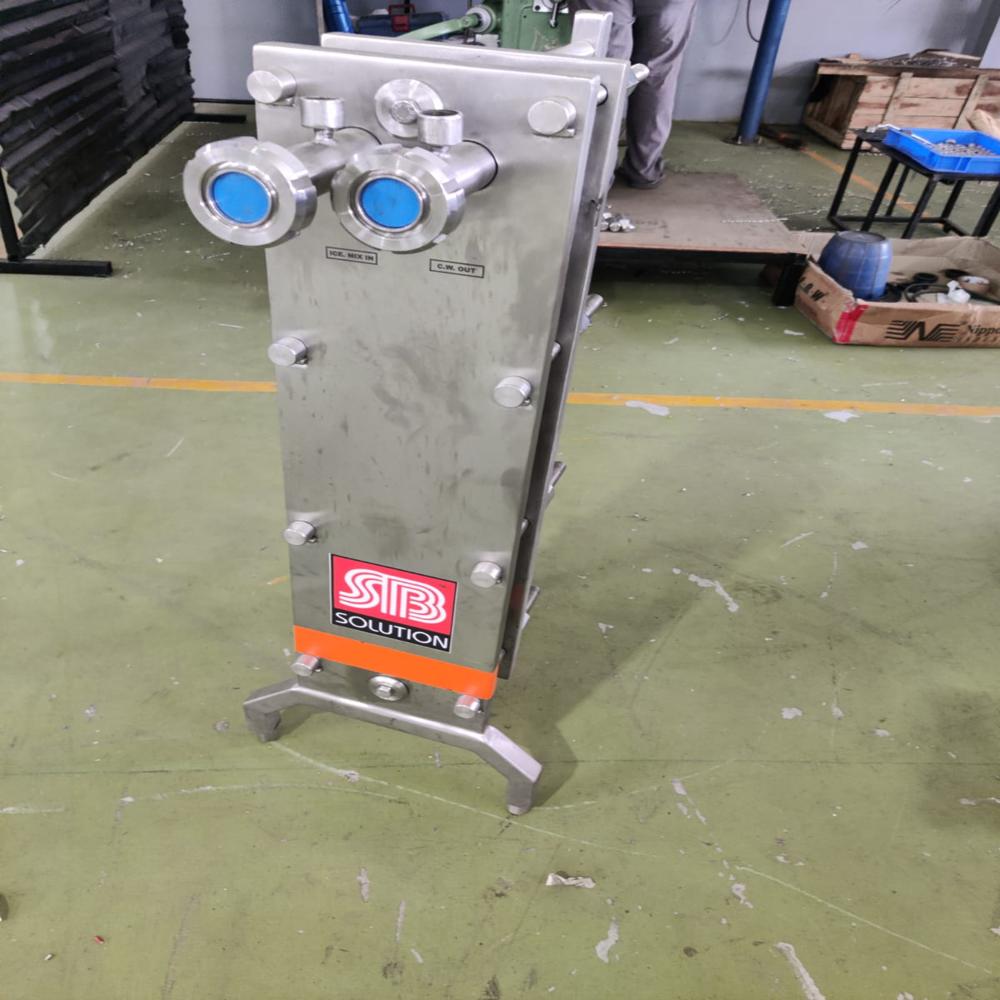
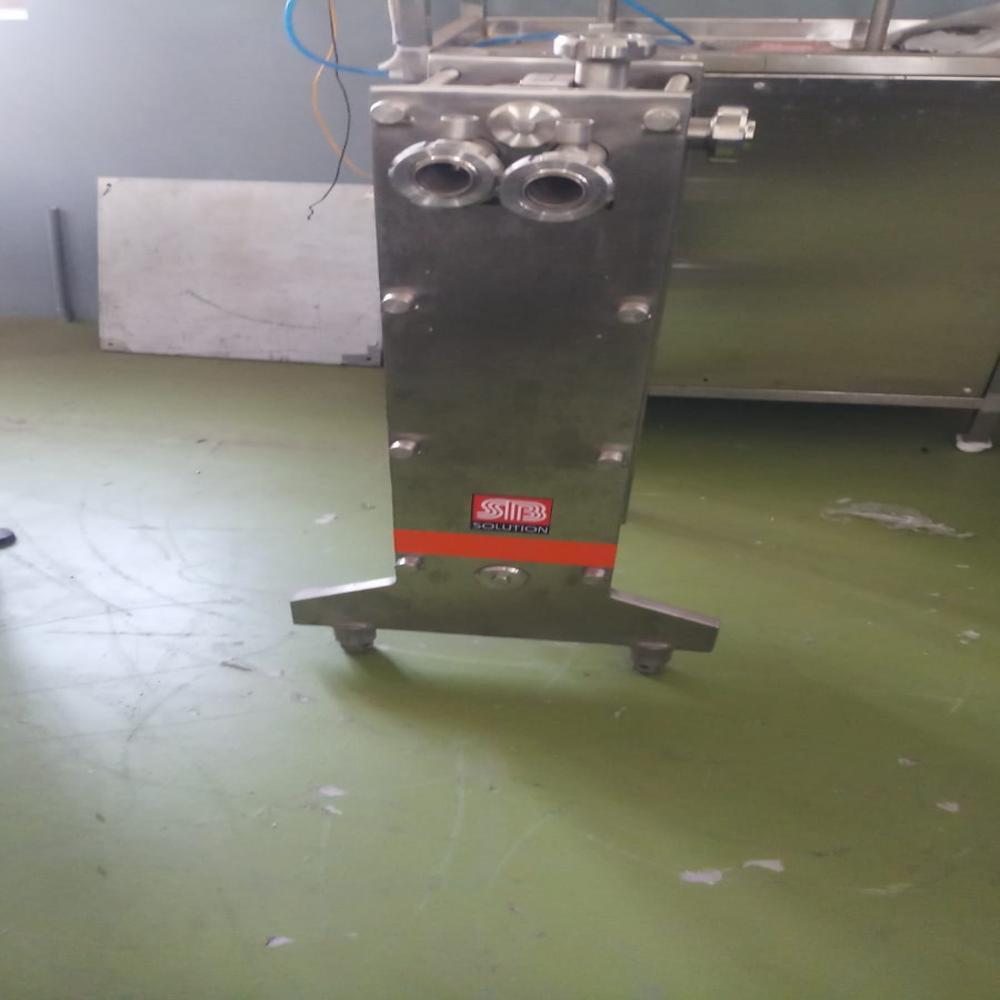
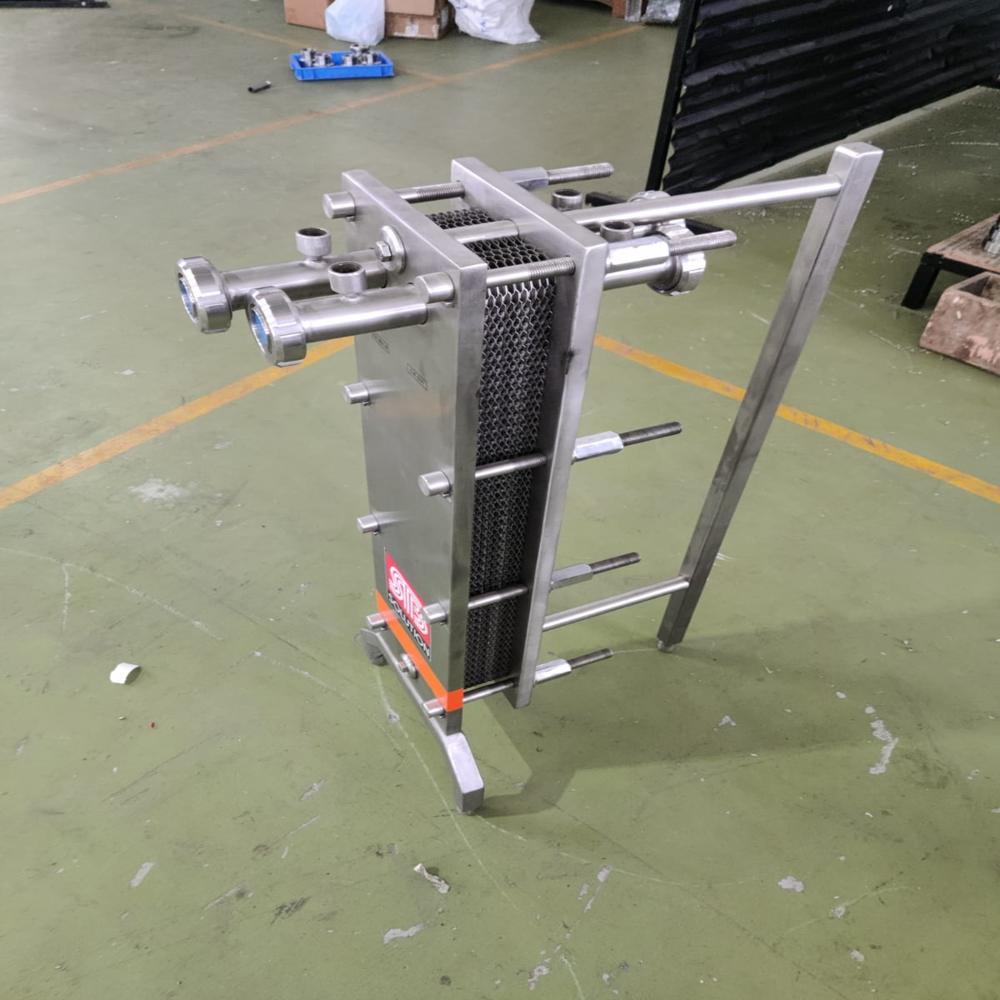
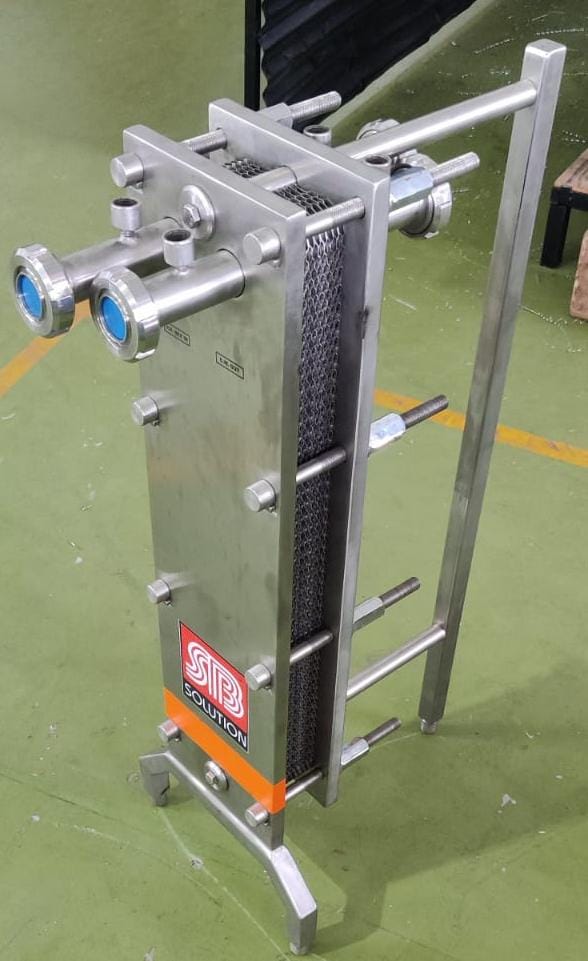
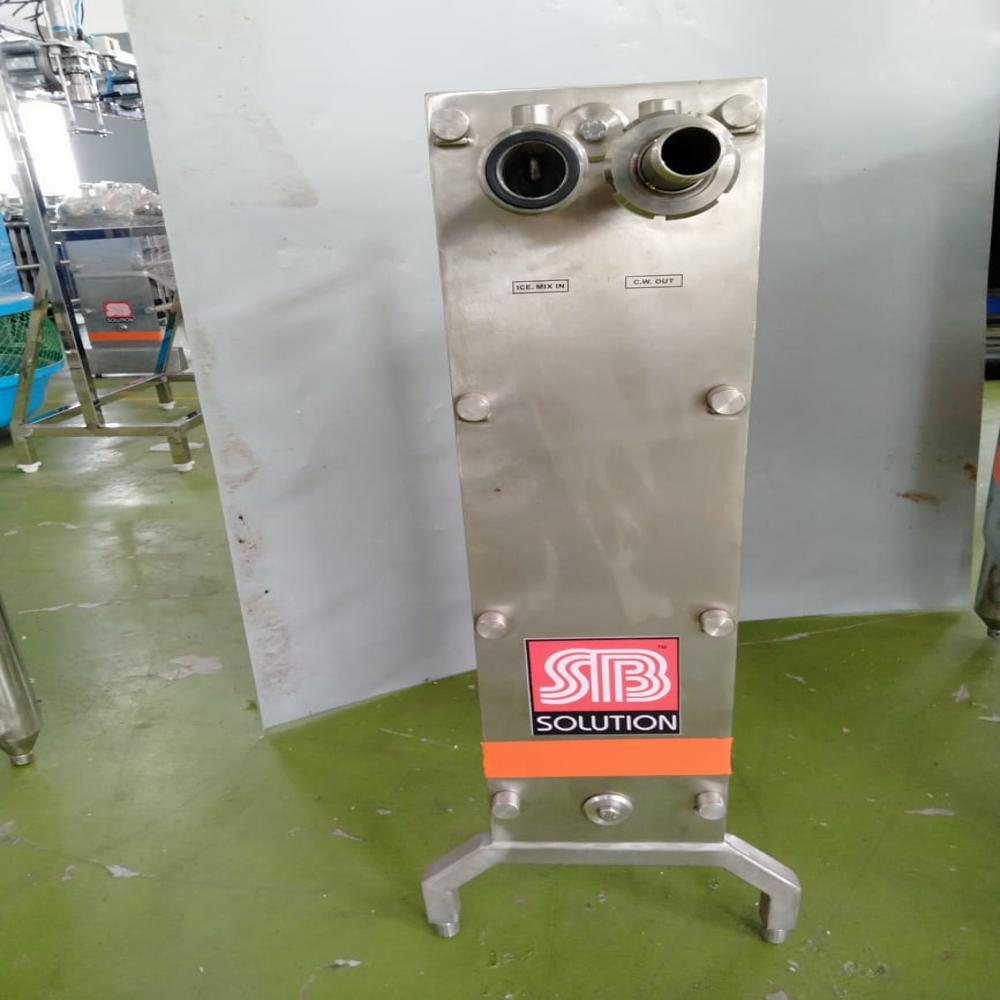
Plate Heat Exchanger
Price 55000.0 INR/ Piece
MOQ : 1 Piece
Plate Heat Exchanger Specification
- Thickness
- 0.6 Millimeter (mm)
- Temperature
- r, e, e, o, , 3, d, e, e, g, r, , 7, 5, , d, e, g, , t, 2, , e Celsius (oC)
- Usage
- Industrial
- Condition
- New
- Structure
- Plate Heat Exchanger
- Size
- Standard
- Working Presssure
- 3 kg/cm
- Product Type
- Plat Heat exchanger
- Voltage
- 220 Volt (v)
- Power
- 415 Watt (w)
- Color
- Sliver
Plate Heat Exchanger Trade Information
- Minimum Order Quantity
- 1 Piece
- Payment Terms
- Cash in Advance (CID)
- Supply Ability
- 10 Pieces Per Month
- Delivery Time
- 30 Days
- Sample Available
- No
- Main Domestic Market
- All India
About Plate Heat Exchanger
A Plate Heat Exchanger (PHE) is a device that transfers heat between two fluids. It consists of thin, corrugated metal plates stacked together, creating channels for the fluids to flow through. Gaskets or brazing are used to seal the channels and direct the fluids, ensuring they flow in alternating passages without mixing. This design allows for efficient heat transfer between the fluids
Efficient Industrial Heat Transfer
The plate heat exchanger is designed to ensure effective heat transfer between fluids, optimizing energy utilization in industrial environments. Its specialized plate structure enhances surface area contact, enabling rapid temperature adjustment. The standard size and sliver construction make it versatile for a wide range of machinery setups.
Robust and Reliable Design
Built with a 0.6-millimeter thick plate and rated for 3 kg/cm2 working pressure, this exchanger is engineered to handle demanding operational conditions. Its power input of 415 watts and 220-volt voltage compatibility guarantee reliable performance. Multiple temperature handling capability supports diverse industrial processes.
Versatile Applications Across Industries
This plate heat exchanger is ideal for use in manufacturing facilities, chemical plants, and other industrial settings requiring precise heat control. Exported and supplied across India, it is trusted by manufacturers and service providers. Its modular design ensures straightforward installation and maintenance.
FAQ's of Plate Heat Exchanger:
Q: How is the plate heat exchanger installed in an industrial setting?
A: The plate heat exchanger is typically installed inline with your facility's fluid flow systems. Connections are made to the appropriate inlet and outlet ports, ensuring a proper seal to prevent leaks. It's important to follow the manufacturer's guidelines for secure placement and operation.Q: What are the primary benefits of using this plate heat exchanger?
A: Key benefits include efficient thermal transfer, energy savings, compact design, and minimal maintenance requirements. Its high working pressure and durable build make it ideal for various industrial applications, promoting operational reliability and reduced downtime.Q: When should maintenance be performed on this plate heat exchanger?
A: Routine inspection should be conducted at regular service intervals, depending on usage intensity. Cleaning and gasket checks are advised to maintain optimal performance, and any fouling of the plates should be addressed promptly to avoid energy loss or process disruption.Q: Where can this plate heat exchanger be used most effectively?
A: This product is highly effective in manufacturing plants, food processing units, HVAC systems, and chemical facilities, among others. Its adaptability makes it suitable for installations requiring industrial-grade heat exchange across India.Q: What is the typical process inside a plate heat exchanger?
A: Within the unit, two fluids flow through alternating channels separated by plates, which facilitate indirect heat transfer. This design maximizes the surface area for efficient thermal exchange without mixing the fluids themselves.Q: How does the sliver color and compact structure enhance usability?
A: The sliver color offers corrosion resistance and aesthetic durability, while the compact plate structure allows for space-saving installation and high thermal efficiency, making it well-suited for modern industrial layouts.Q: What power and voltage specifications does the device require for operation?
A: The plate heat exchanger operates at 415 watts of power and is designed for a 220-volt supply, ensuring compatibility with standard industrial electrical systems in India.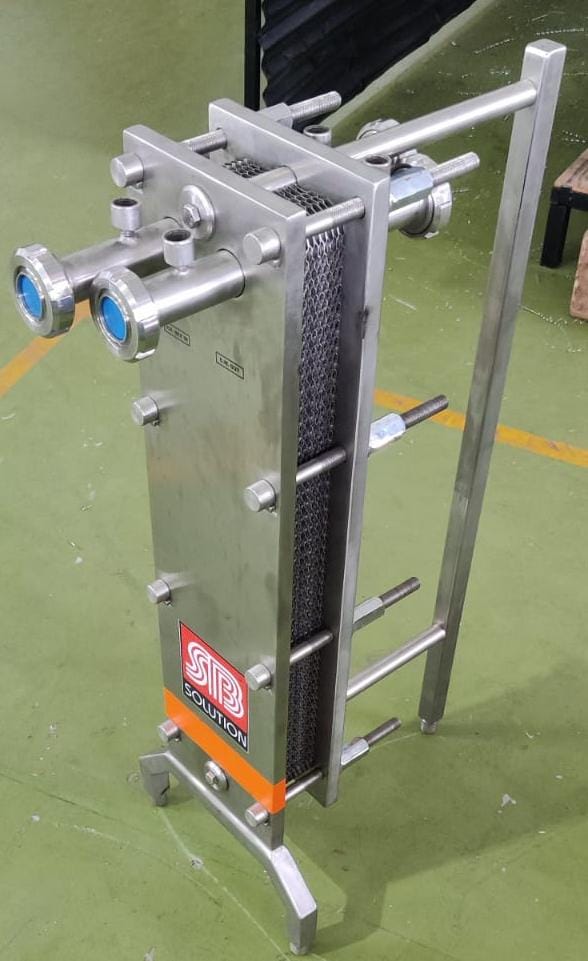
Tell us about your requirement

Price:
Quantity
Select Unit
- 50
- 100
- 200
- 250
- 500
- 1000+
Additional detail
Mobile number
Email

More Products in Plate Heat Exchanger Category
Milk Plate Heat Exchanger
Price 95000.0 INR / Piece
Minimum Order Quantity : 1 Piece
Condition : New
Working Presssure : 2 Bar
Voltage : 220 Volt (v)
Usage : Industrial

Contact Details
Select Best Solution
GST : 33ACKFS0814Q1ZS
- No: 352/2A, Peedampalli Road, Kannampalayam,Coimbatore - 641402, Tamil Nadu, India
- Phone :07313726417
 Send Inquiry
Developed and Managed by Infocom Network Private Limited.
