
Call: 07313726417
 Send Inquiry
Milk Plate Heat Exchanger
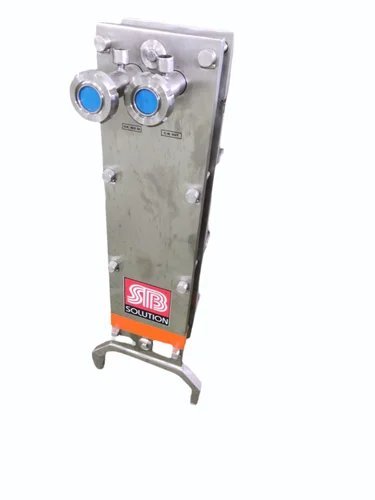
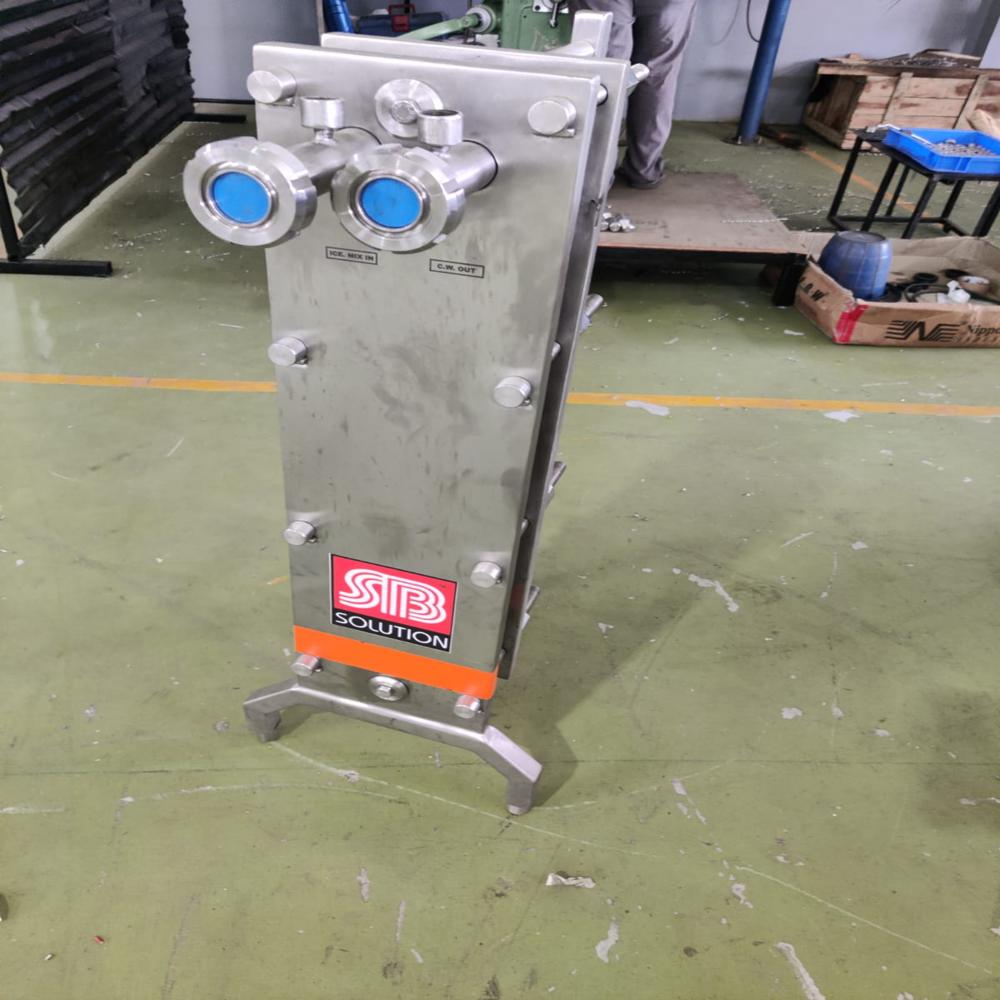
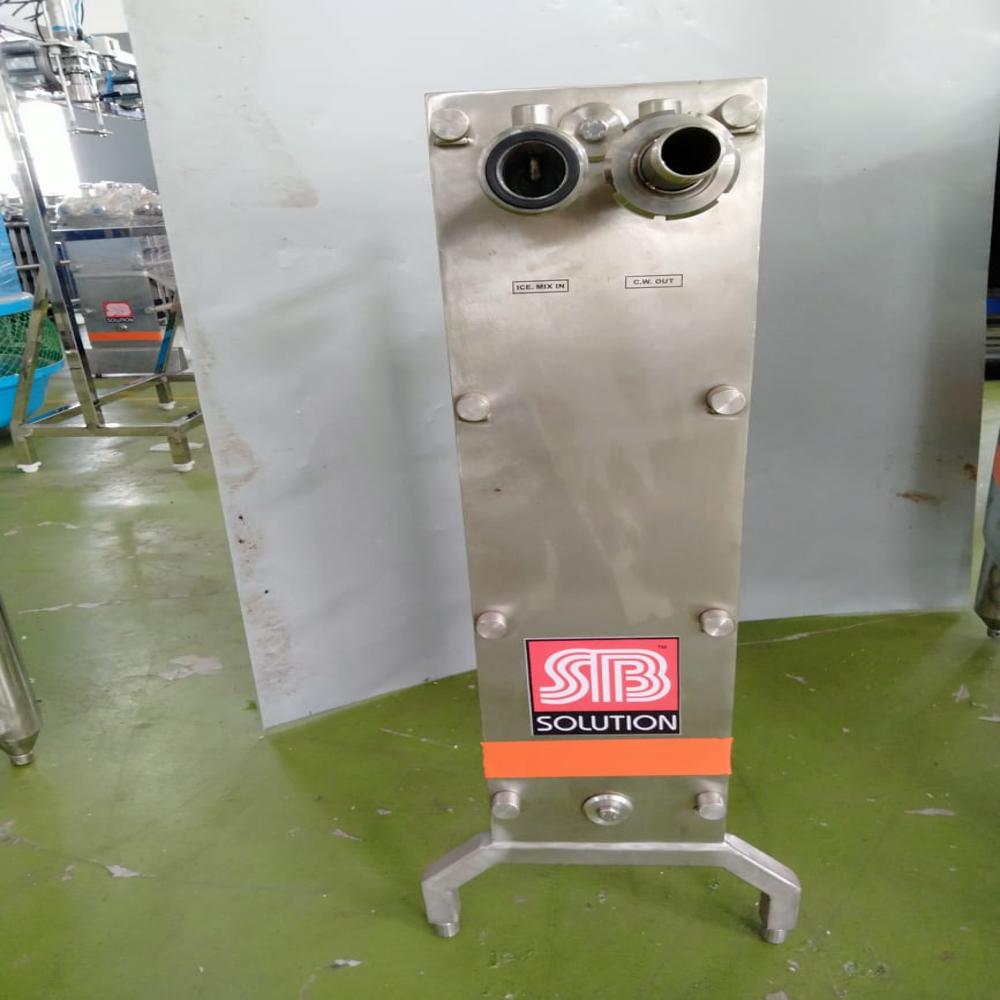
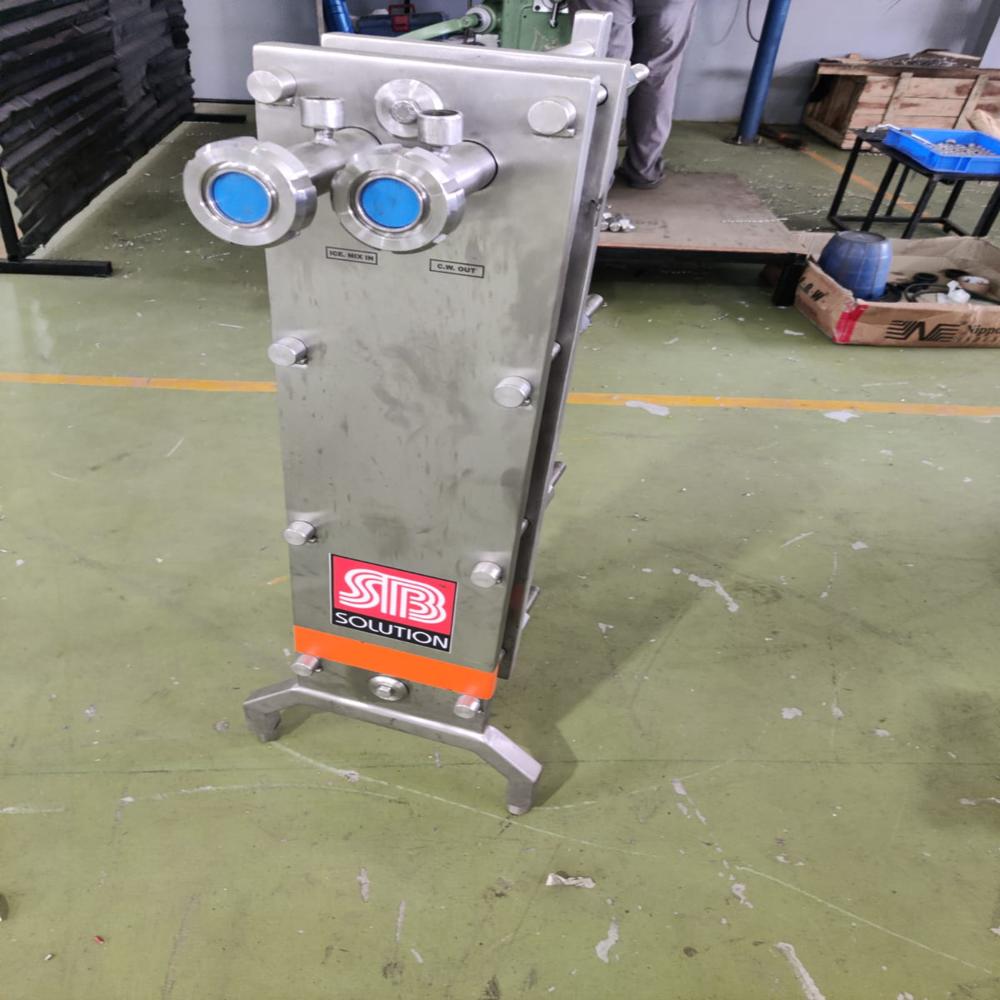
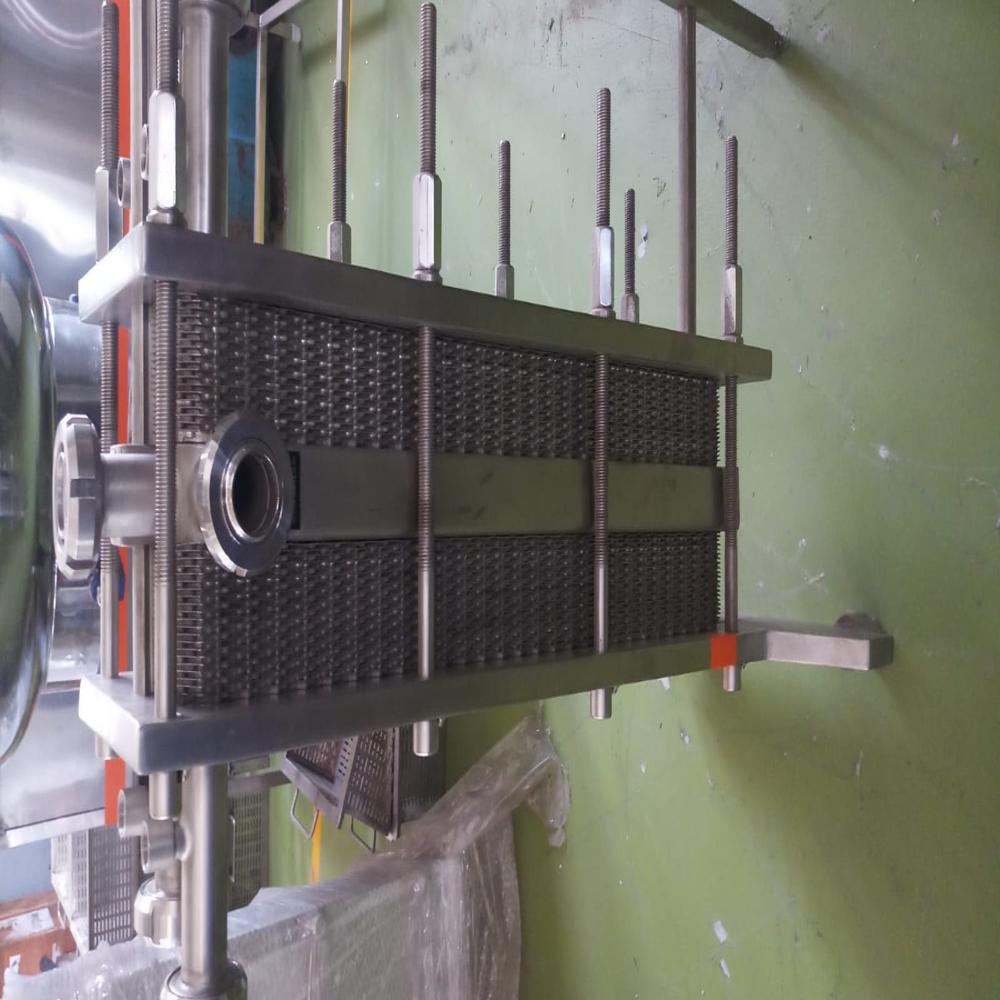

Milk Plate Heat Exchanger Specification
- Max Pressure
- 4-6 ft/min (LFM)
- Usage
- Industrial
- Condition
- New
- Size
- Standard
- Working Presssure
- 2 Bar
- Voltage
- 220 Volt (v)
- Color
- Sliver
Milk Plate Heat Exchanger Trade Information
- Minimum Order Quantity
- 1 Piece
- Payment Terms
- Cash in Advance (CID)
- Supply Ability
- 10 Pieces Per Month
- Delivery Time
- 30 Days
- Sample Available
- No
- Main Domestic Market
- All India
About Milk Plate Heat Exchanger
Plate Heat Exchangers (PHEs) are a type of compact heat exchanger widely used for industrial applications, such as refrigeration, heating, cooling, chemical processing, etc. They provide a large heat transfer surface area per volume, which makes them particularly suited for installation in confined spaces.
Efficient Milk Cooling for Industrial Needs
Our Milk Plate Heat Exchanger is engineered for reliability in industrial processes, enabling rapid cooling or heating of milk with minimal energy loss. The equipment, with its standard size and robust construction, is developed to handle working pressures up to 2 Bar, ensuring consistent performance at 220 Volts. Its compact silver design is easy to maintain, making it ideal for modern dairy and food-processing plants requiring efficient thermal management.
Trusted Exporter and Manufacturer in India
As a prominent exporter, manufacturer, and service provider in India, we deliver high-quality Milk Plate Heat Exchangers tailored for industrial usage. With attention to both performance and safety, our products meet international standards. We provide full support, from installation to maintenance, ensuring clients maximize efficiency and productivity.
FAQ's of Milk Plate Heat Exchanger:
Q: How does the Milk Plate Heat Exchanger function in an industrial setting?
A: The Milk Plate Heat Exchanger facilitates the transfer of heat between milk and a cooling or heating medium through thin metal plates. This efficient process rapidly brings milk to the desired temperature, conserving energy and maintaining product quality.Q: What are the benefits of using this heat exchanger for milk processing?
A: Using this heat exchanger ensures fast and uniform temperature adjustment, minimizing bacterial growth and preserving the milk's freshness. Its energy efficiency reduces operational costs and enhances overall process reliability.Q: Where can this heat exchanger be typically installed?
A: The unit is best suited for installation in dairy plants, food-processing factories, and other industrial settings where precise temperature control of milk or similar liquids is required.Q: What is the recommended process for operating the Milk Plate Heat Exchanger?
A: To operate, connect the milk and coolant inlets and outlets securely, power the device with a 220 Volt supply, and set the desired flow rate within 4-6 ft/min. Regular monitoring and cleaning are recommended to maintain peak performance.Q: When should maintenance be performed on the Milk Plate Heat Exchanger?
A: Routine maintenance is advised based on operating hours and the quality of input fluids. It's generally recommended to inspect and clean the plates monthly to prevent clogging and ensure efficiency.Q: What safety considerations should users keep in mind?
A: Always ensure that the operating pressure does not exceed the recommended 2 Bar and the unit is powered using the specified voltage. All connections should be secure and checked regularly for leaks or wear.Tell us about your requirement

Price:
Quantity
Select Unit
- 50
- 100
- 200
- 250
- 500
- 1000+
Additional detail
Mobile number
Email

More Products in Plate Heat Exchanger Category
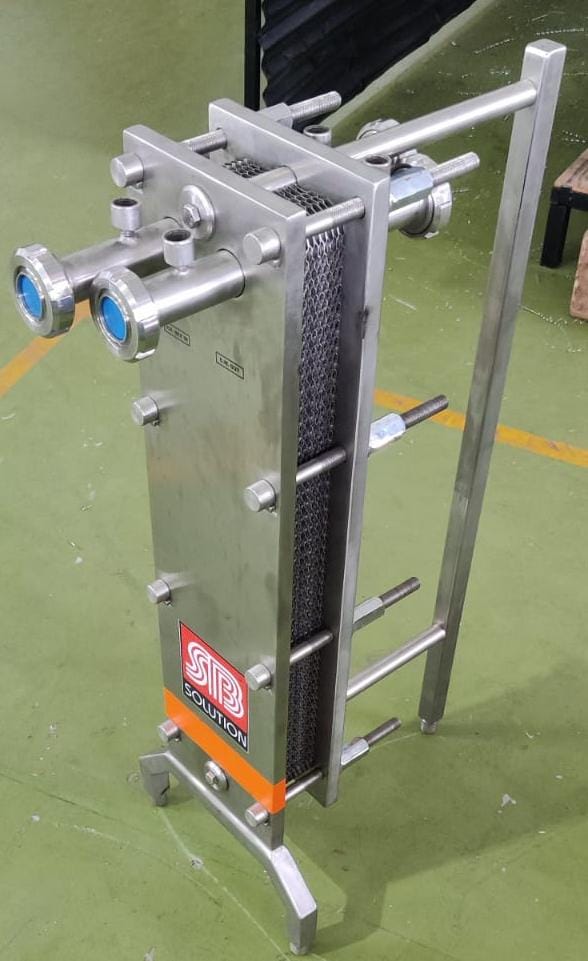
Plate Heat Exchanger
Price 55000.0 INR / Piece
Minimum Order Quantity : 1 Piece
Voltage : 220 Volt (v)
Temperature : r, e, e, o, , 3, d, e, e, g, r, , 7, 5, , d, e, g, , t, 2, , e Celsius (oC)
Structure : Plate Heat Exchanger
Thickness : 0.6 Millimeter (mm)

Contact Details
Select Best Solution
GST : 33ACKFS0814Q1ZS
- No: 352/2A, Peedampalli Road, Kannampalayam,Coimbatore - 641402, Tamil Nadu, India
- Phone :07313726417
 Send Inquiry
Developed and Managed by Infocom Network Private Limited.
