
Call: 07313726417
 Send Inquiry
 Send Inquiry
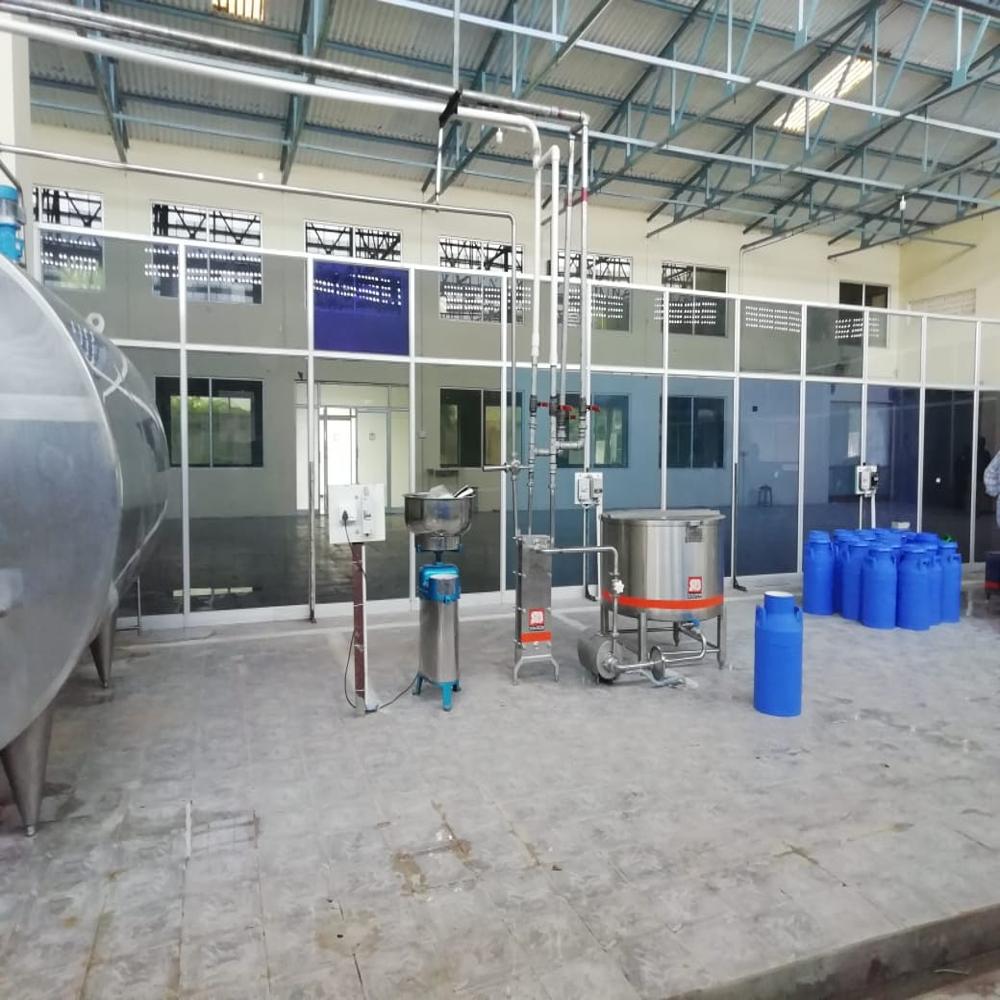
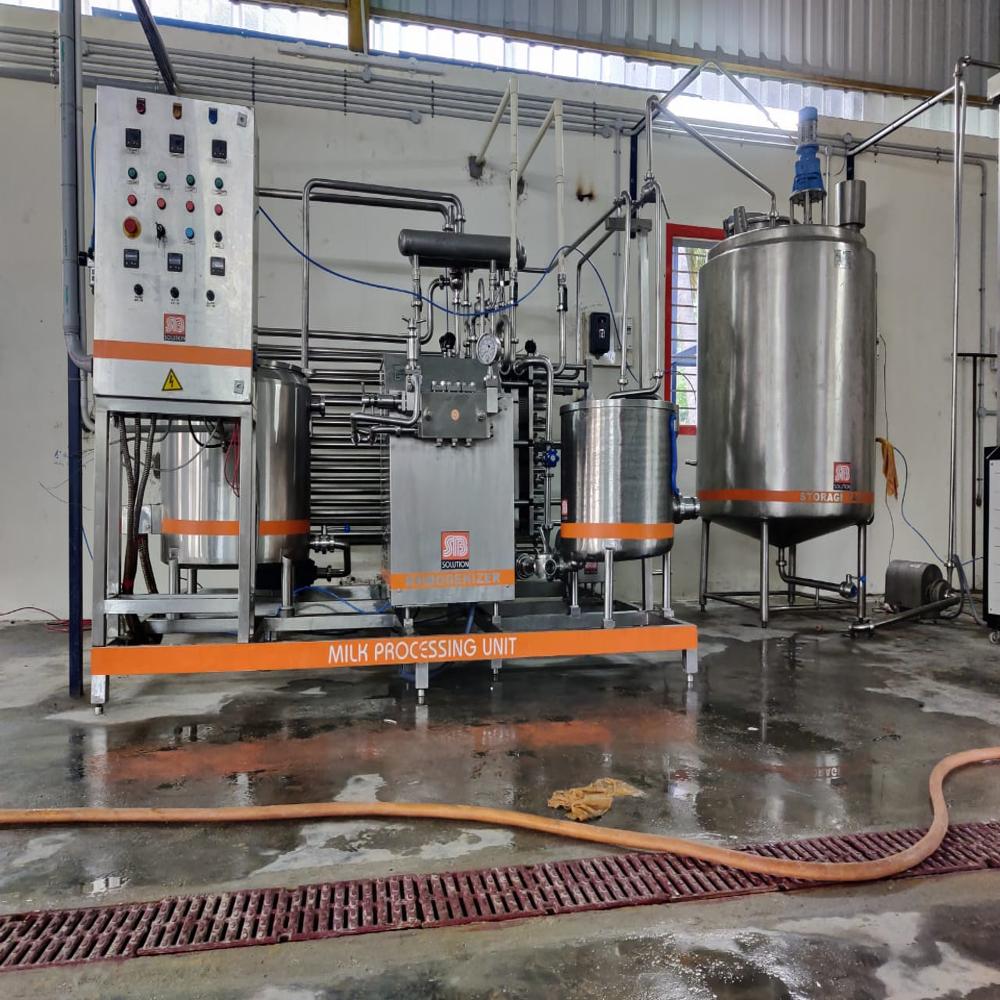
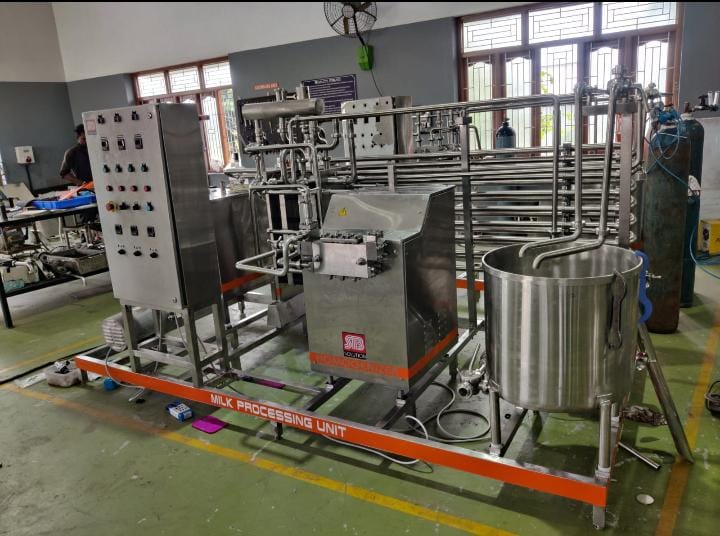
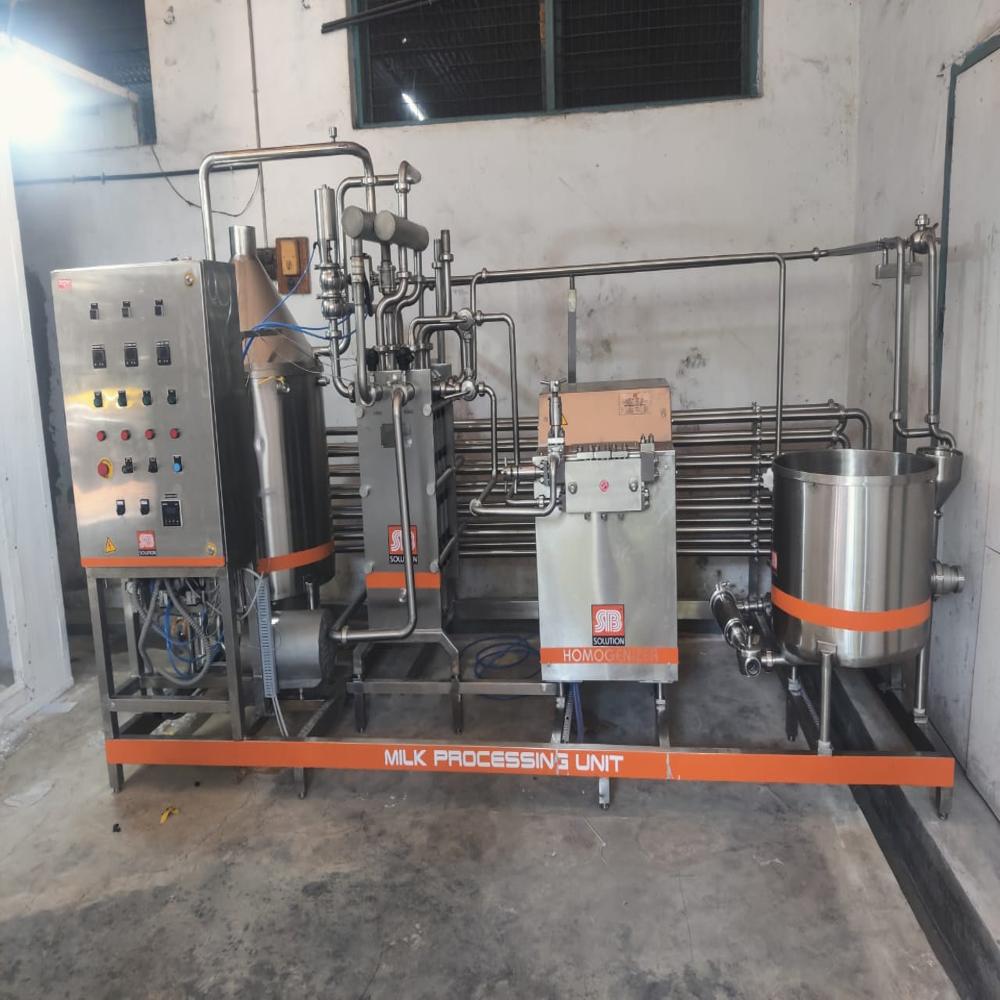
Milk Production Plant
Price 2600000.0 INR/ Liter
MOQ : 1 Unit
Milk Production Plant Specification
- Product Type
- Milk Production Plant
- General Use
- A milk processing skid pasteurizer is used across many areas of the food and beverage industry beyond standard fluid retail milk. Its compact design allows it to adapt to various products and factory environments.
- Material
- Stainless Steel
- Capacity
- 300- 5000 Ltr/hr
- Weight (kg)
- 1000 Kilograms (kg)
- Computerized
- Yes
- Control System
- Semi Automatic
- Processing Pressure
- 2.0 -4.5 Bar
- Cleaning System
- CIP Cleaning System
- Cooling Mode
- Water Cooling
- Sterilization Method
- Pasteurization
- Motor Power
- 1 Horsepower (HP)
- Voltage
- 415 Volt (v)
- Feature
- Good Quality, Pasteurizer, Homogenizer, Environmental Friendly, High Efficiency
- Color
- Silver
Milk Production Plant Trade Information
- Minimum Order Quantity
- 1 Unit
- Delivery Time
- 1
About Milk Production Plant
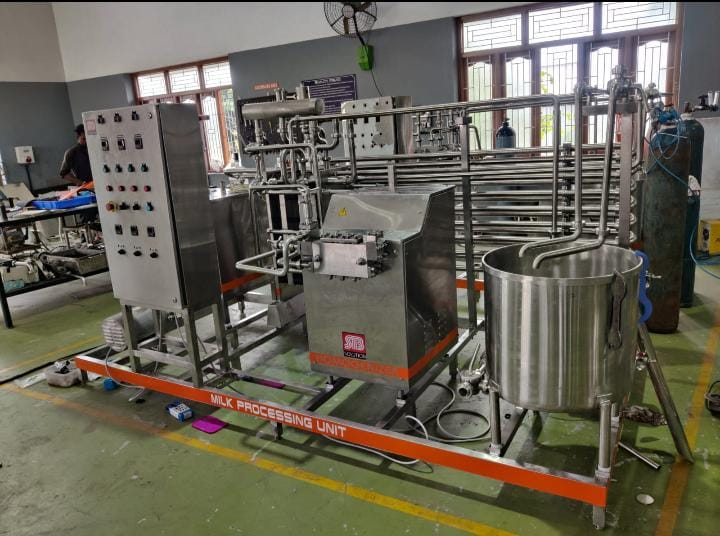
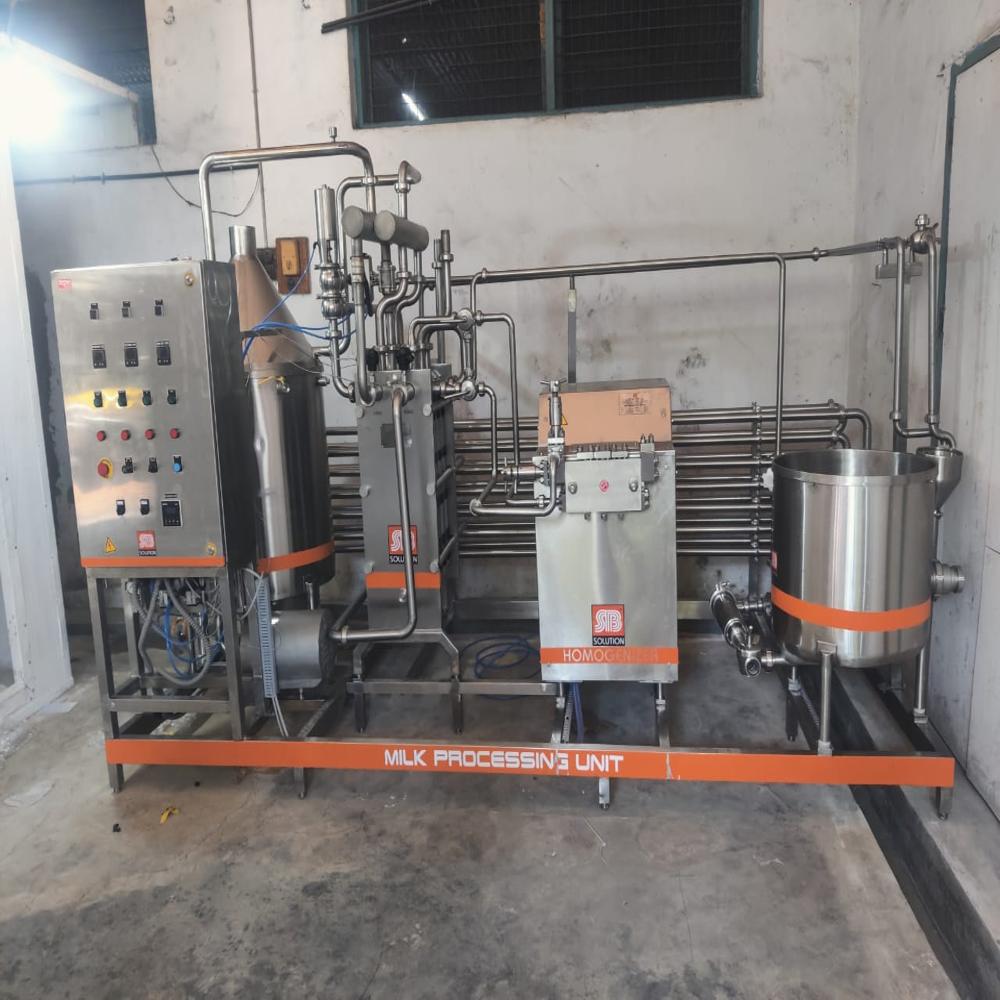
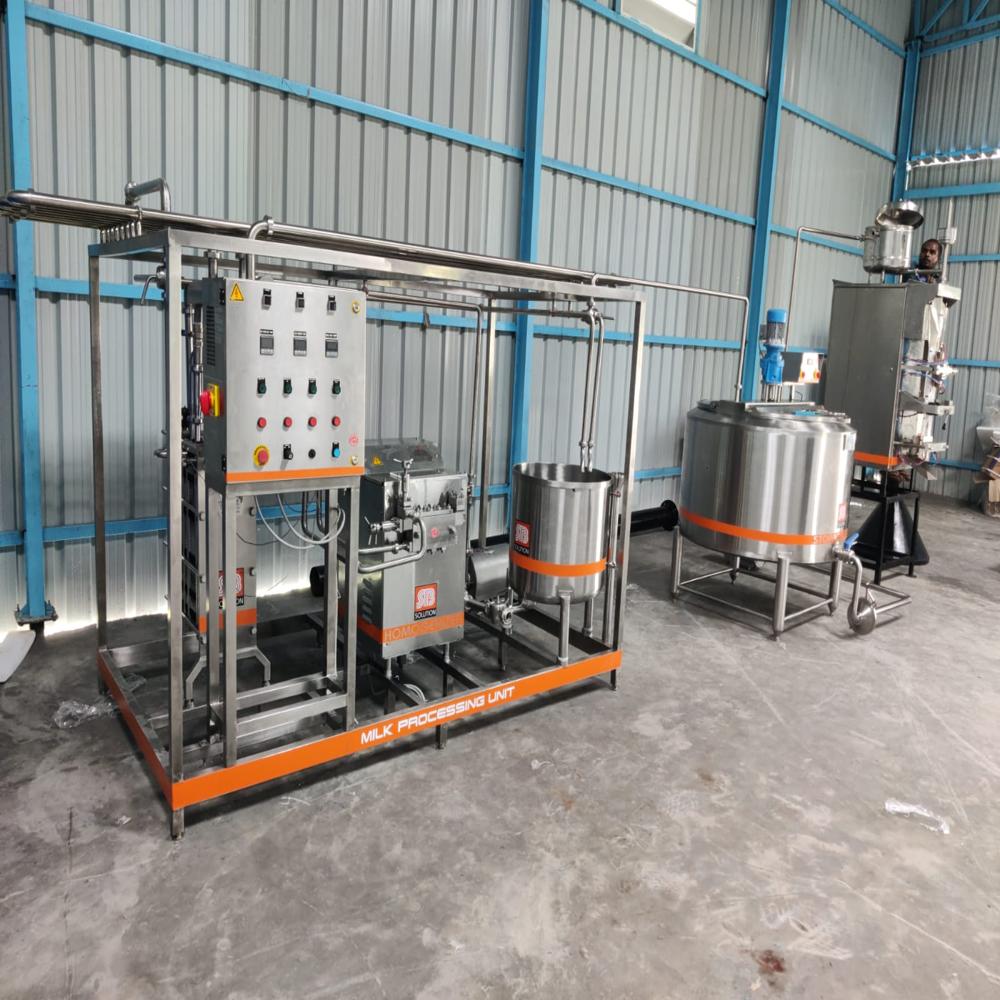
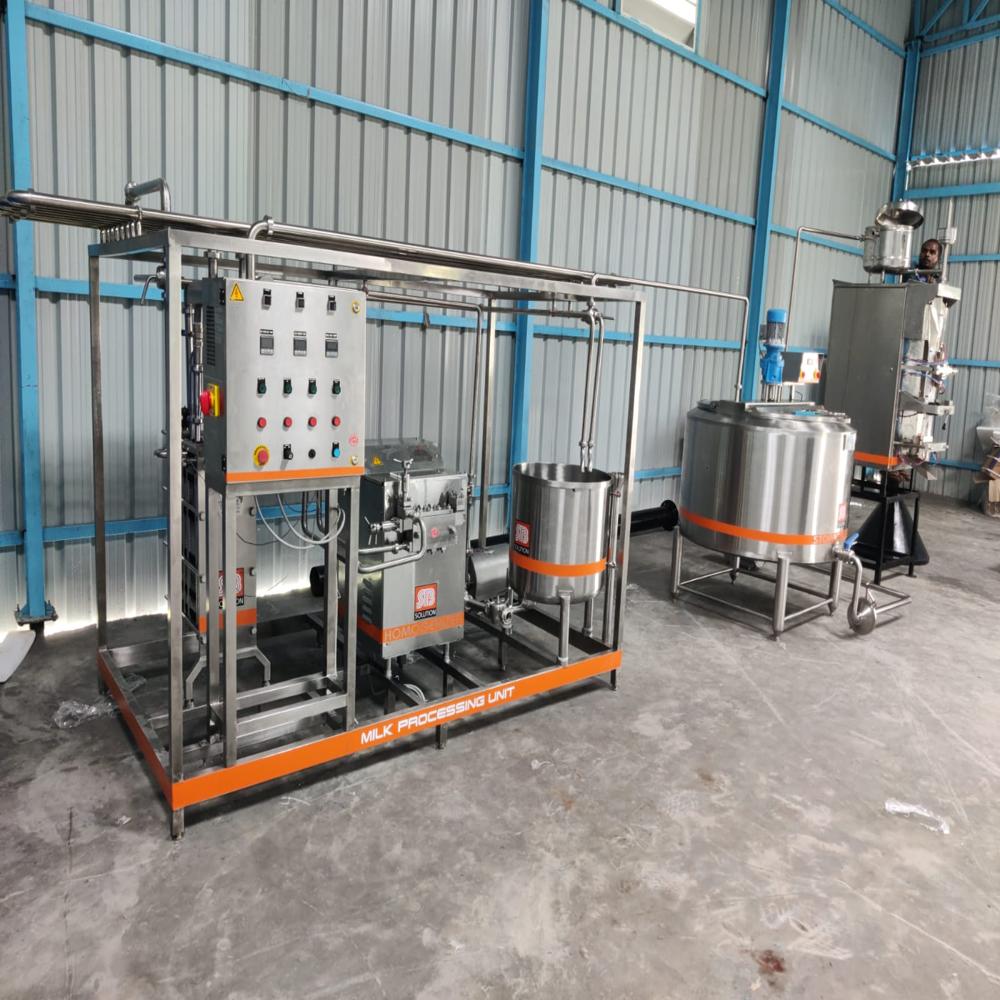
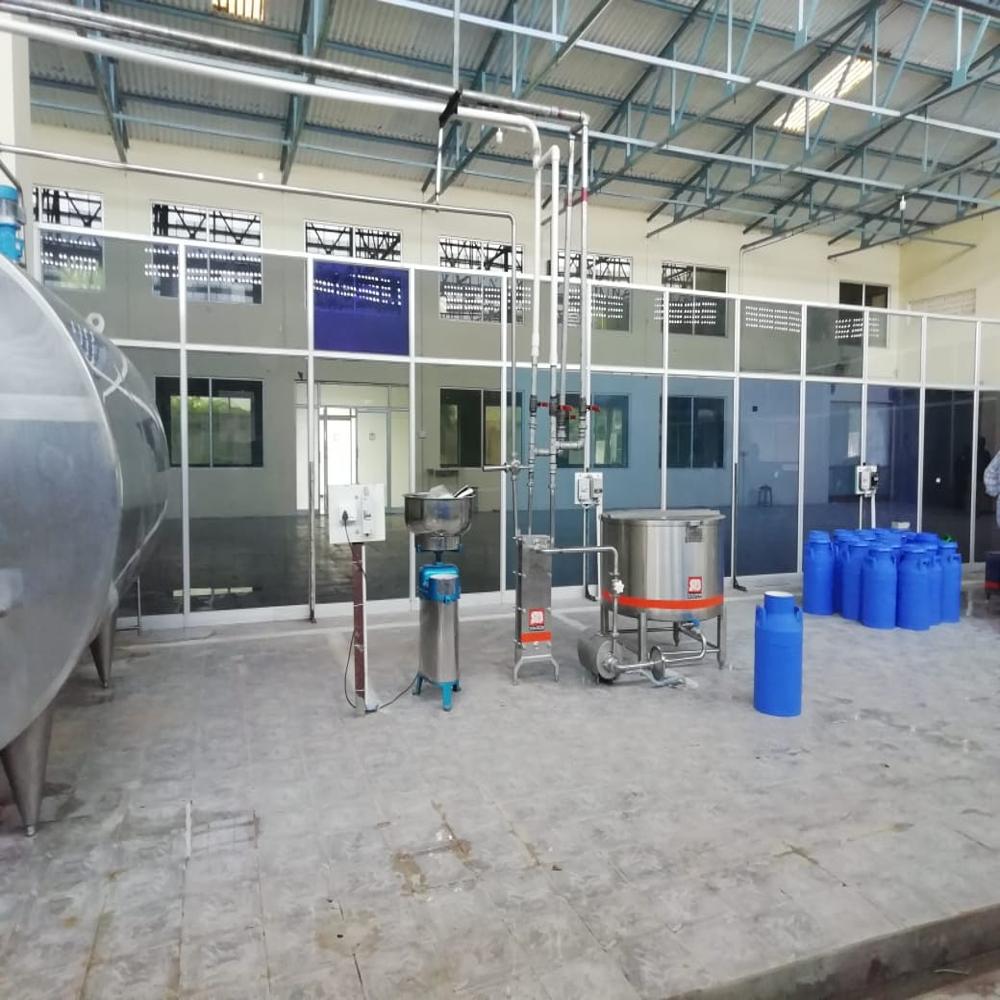
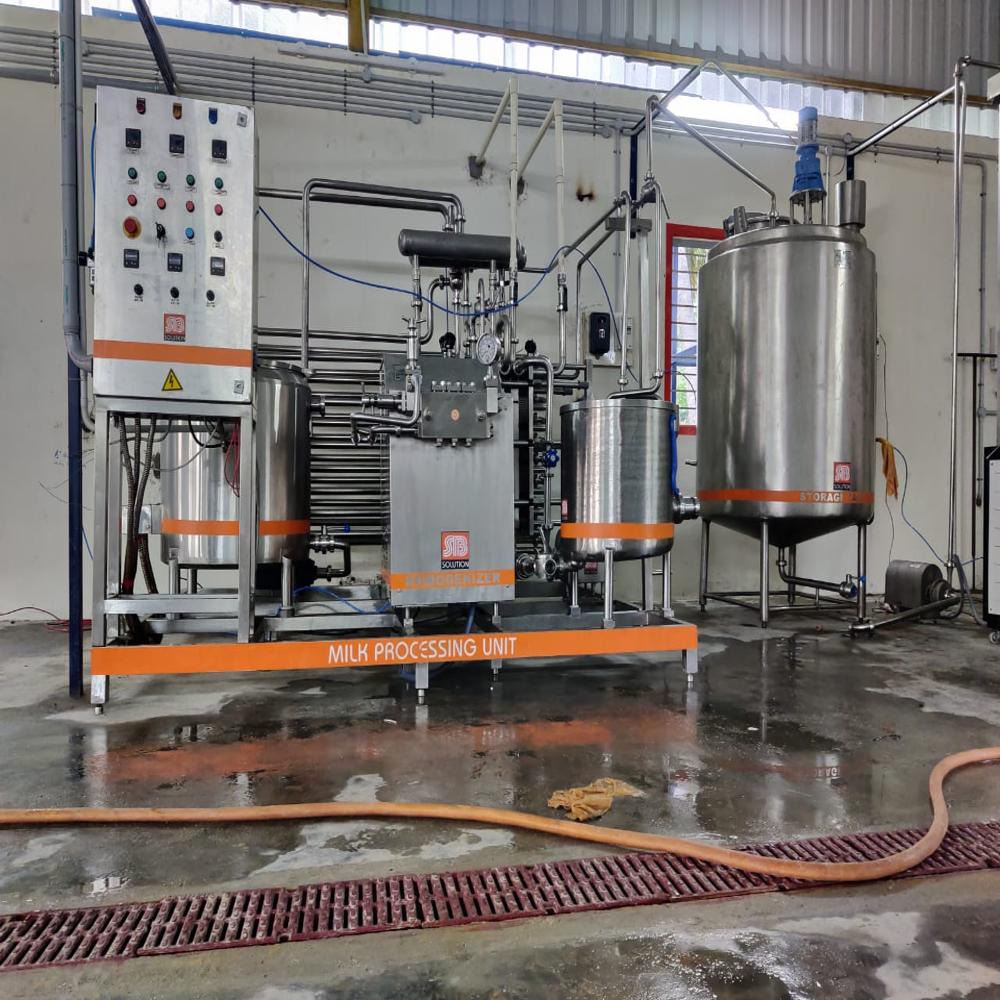
A milk processing skid pasteurization system is a compact, self-contained, and factory-tested industrial assembly mounted on a heavy-duty stainless steel frame (skid) that automates the thermal treatment of raw milk. It integrates all necessary componentsincluding heat exchangers, pumps, holding tubes, and advanced automation controlsinto a single modular footprint to eliminate harmful pathogens like Salmonella and Mycobacterium tuberculosis while preserving the milk's nutritional quality.Efficient Milk Pasteurization for Various Applications
This plant adapts to multiple processing needs-beyond retail milk-enabling safe, compliant pasteurization using a stainless steel system. The water-cooled design ensures operational efficiency, while the CIP (Clean-In-Place) cleaning system supports stringent hygiene standards required by the industry.
Seamless Operation and High Capacity
With a processing range from 300 to 5000 liters per hour, this skid pasteurizer easily fits into different production scales. The semi-automatic, computerized controls streamline workflows, maintaining consistent quality and allowing operators to focus on safe and efficient production.
FAQ's of Milk Production Plant:
Q: How does the milk production plant ensure product quality during pasteurization?
A: The plant uses a stainless steel pasteurizer with homogenizer features and semi-automatic computerized controls, maintaining precise processing pressures between 2.0 to 4.5 bar. This ensures thorough pasteurization and high product consistency for various dairy and beverage applications.Q: What types of products can be processed with this pasteurizer?
A: This skid pasteurizer is suitable for a range of products, not limited to traditional fluid milk. It can handle juices, flavored milks, and other liquid foods, making it versatile for food and beverage manufacturers.Q: When and where is the ideal use case for this milk production skid?
A: The pasteurizer is best used in dairy and beverage processing plants requiring efficient, hygienic milk and liquid food treatment. Its compact design allows installation in various factory environments and production lines across the food industry.Q: What is the benefit of the CIP cleaning system included in the plant?
A: The CIP (Clean-In-Place) system enables automated and thorough interior cleaning of the equipment, reducing downtime, improving sanitation, and ensuring compliance with food safety standards without manual intervention.Q: How does the water cooling mode contribute to efficient operation?
A: Water cooling maintains stable operating temperatures, enhancing energy efficiency and equipment longevity while preventing overheating during milk processing.Q: What are the environmental advantages of this processing plant?
A: The plant is engineered for high efficiency with minimal waste, utilizing environmental-friendly features and resource-saving design elements that support sustainable production practices.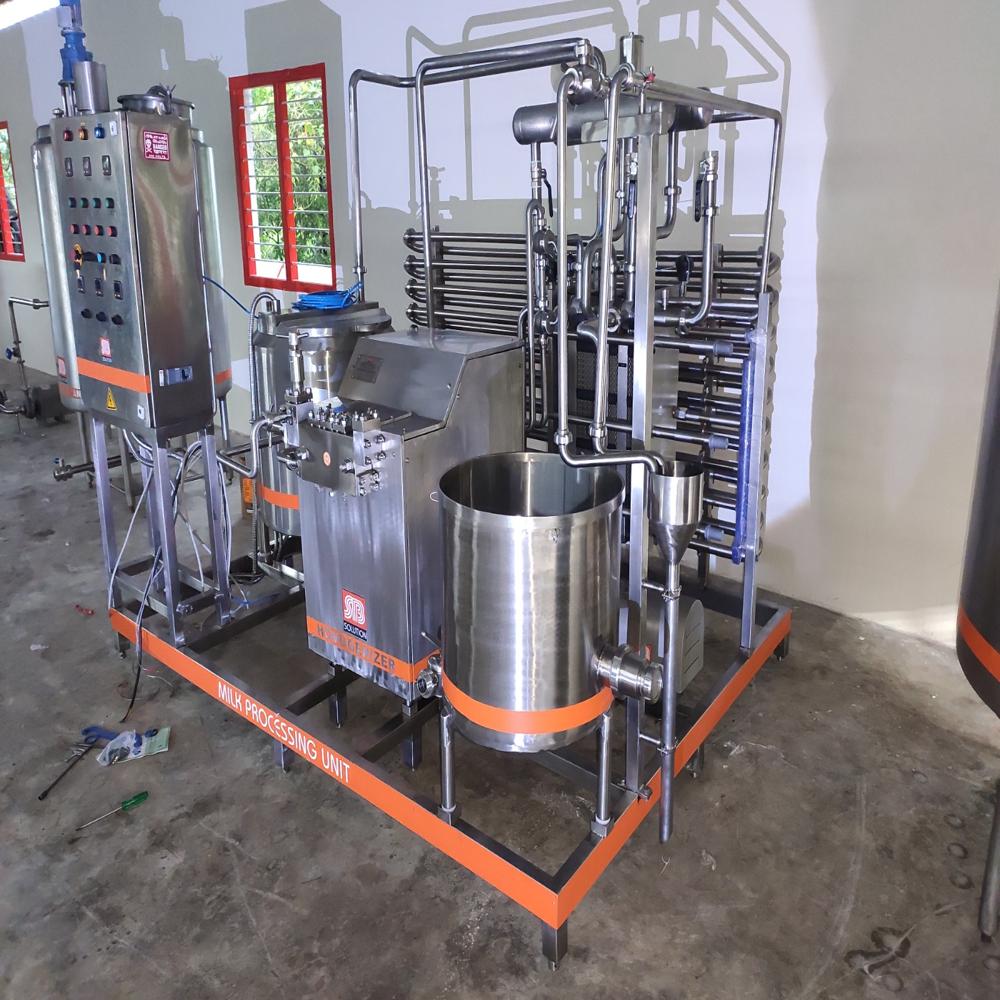
Tell us about your requirement

Price:
Quantity
Select Unit
- 50
- 100
- 200
- 250
- 500
- 1000+
Additional detail
Mobile number
Email

More Products in Milk Processing Plant Category
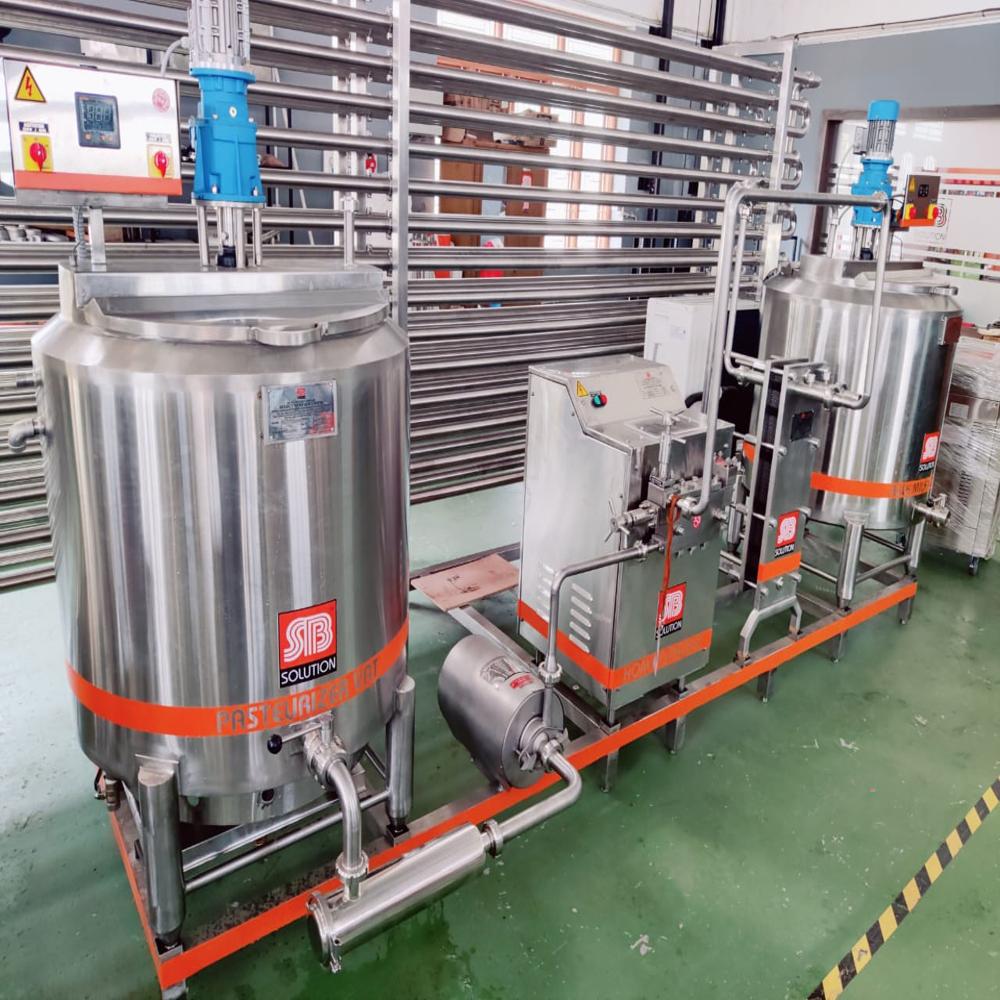
Milk Processing plant setup
Price 1500000.0 INR / Unit
Minimum Order Quantity : 1 Unit
Cooling Mode : Water Cooling
Material : Stainless Steel
Color : Silver
Computerized : Yes
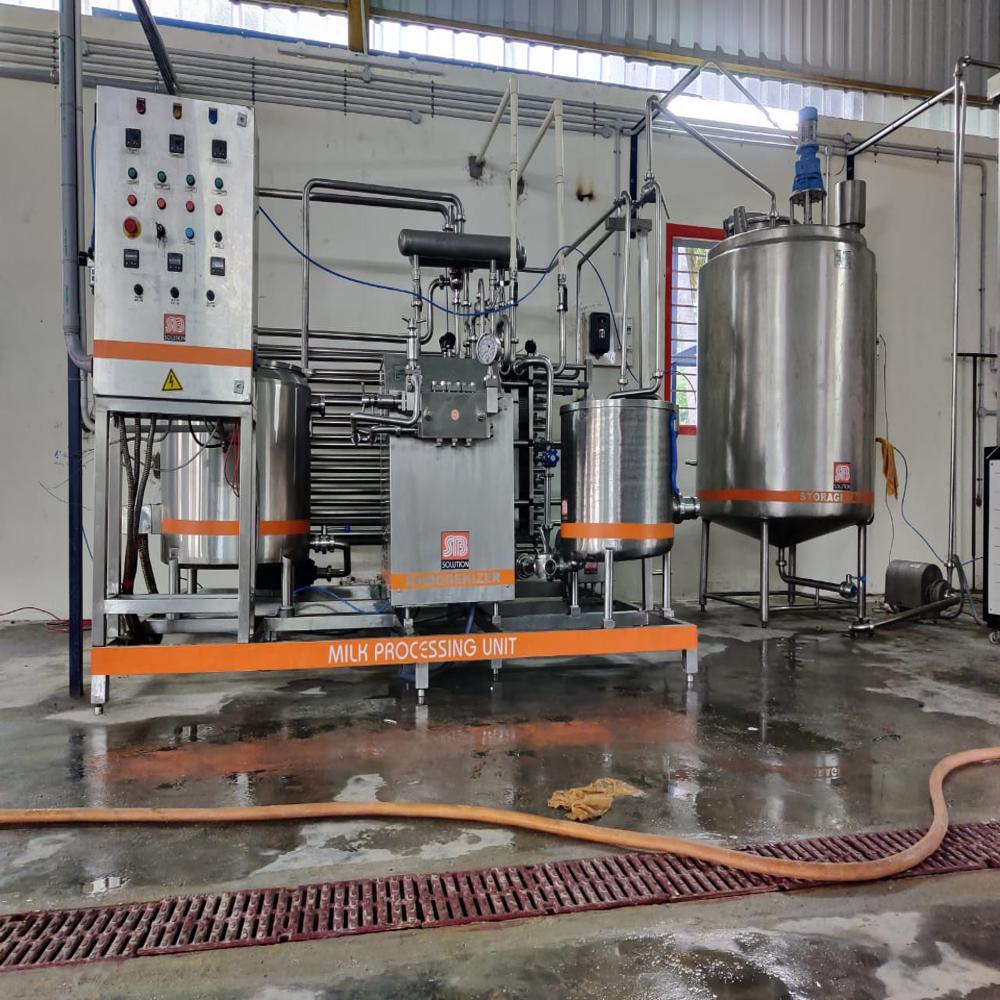
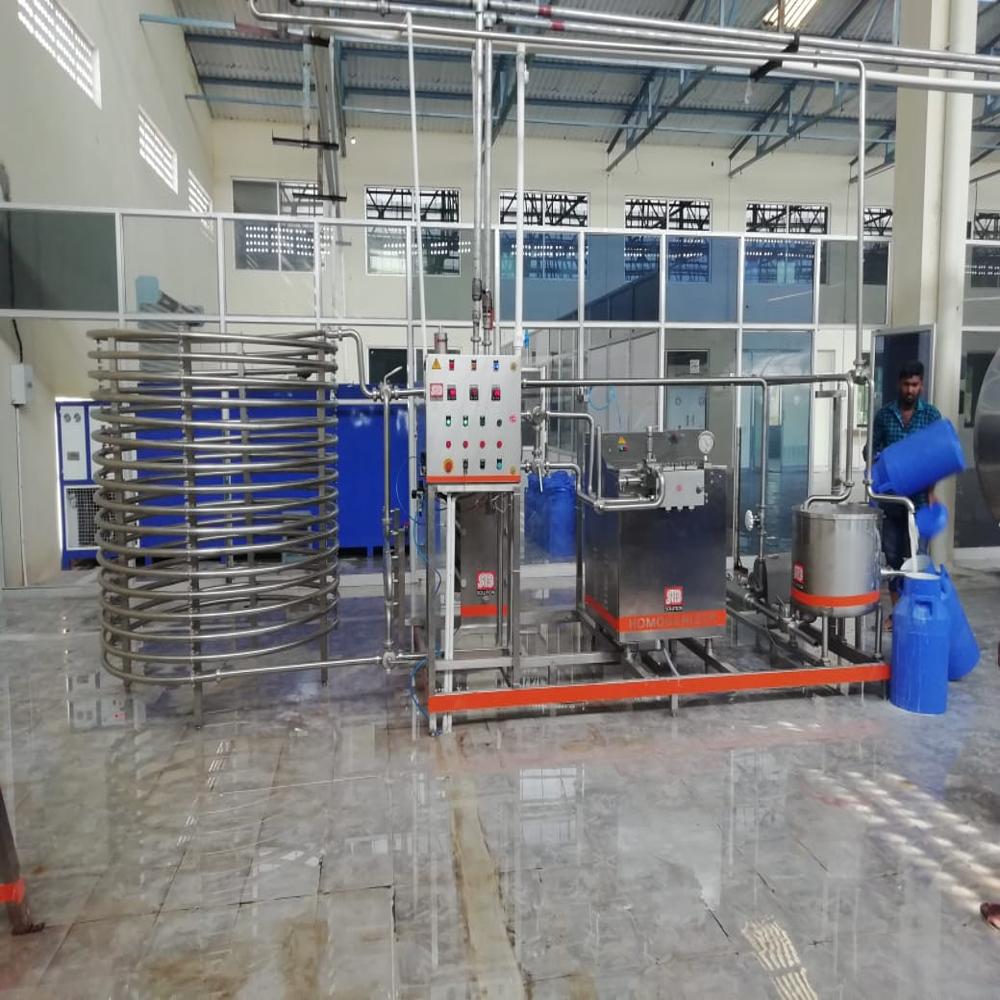
Milk Processing Plants
Price 2700000.0 INR / Unit
Minimum Order Quantity : 1 Unit
Cooling Mode : Water Cooling
Material : Stainless Steel
Color : Silver
Computerized : Yes
Milk Production Machine
Price 3000000.0 INR / Piece
Minimum Order Quantity : 1 Unit
Cooling Mode : Water Cooling
Material : Stainless Steel
Color : Silver
Computerized : Yes
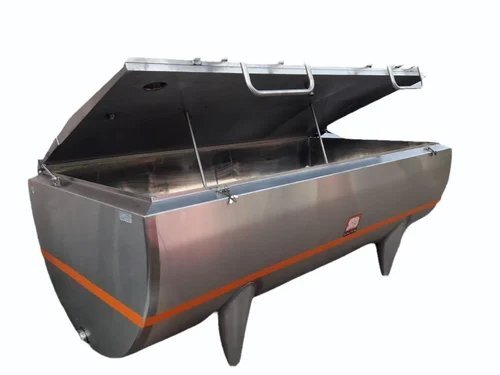
Milk Chilling Plant
Price 1000000.0 INR / Unit
Minimum Order Quantity : 1 Unit
Cooling Mode : Air Cooling
Material : Stainless Steel
Color : Sliver
Computerized : No

Contact Details
Select Best Solution
GST : 33ACKFS0814Q1ZS
- No: 352/2A, Peedampalli Road, Kannampalayam,Coimbatore - 641402, Tamil Nadu, India
- Phone :07313726417
 Send Inquiry
Developed and Managed by Infocom Network Private Limited.
