
Call: 07313726417
 Send Inquiry
 Send Inquiry
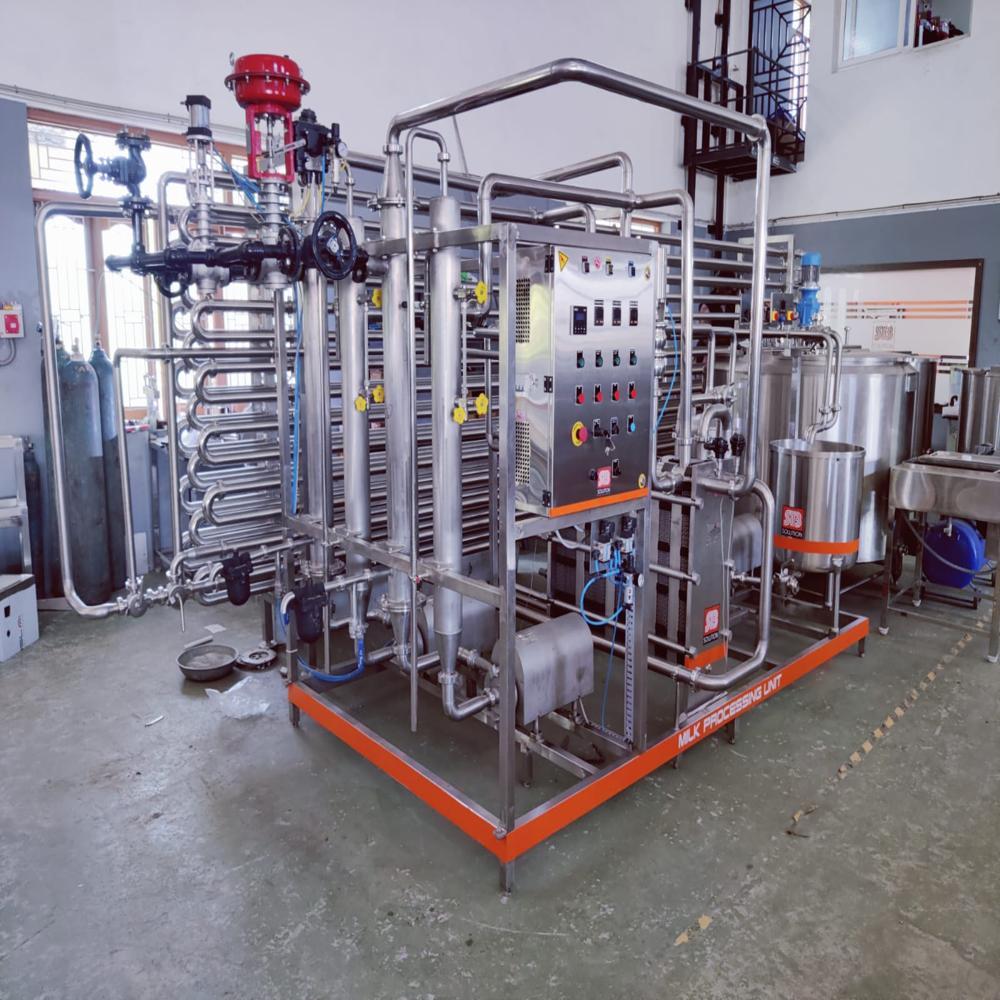
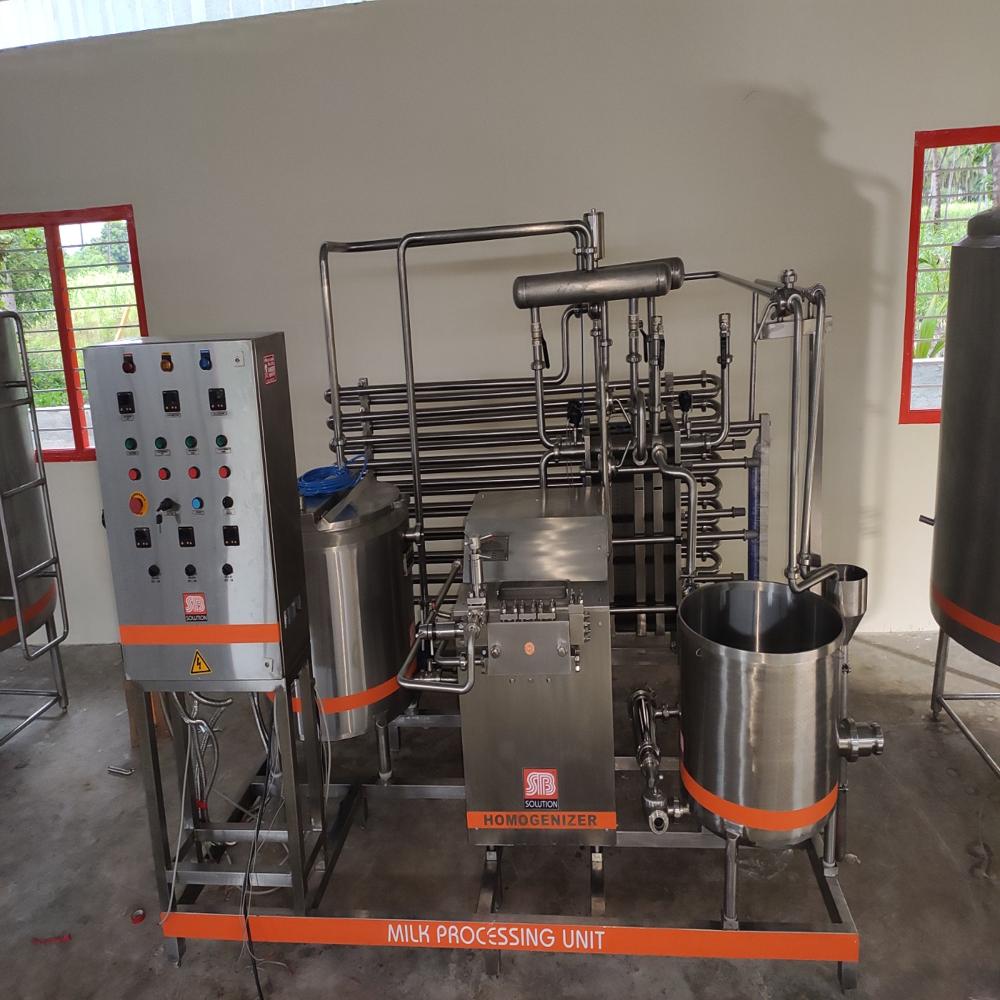
Milk Production Machine
Price 3000000.0 INR/ Piece
MOQ : 1 Unit
Milk Production Machine Specification
- Product Type
- Milk Production Machine
- General Use
- ilk processing transforms raw milk into safe, shelf-stable, and standardized dairy products.
- Material
- Stainless Steel
- Capacity
- 300LPH - 5000LPH Ltr/hr
- Weight (kg)
- 1200 Kilograms (kg)
- Computerized
- Yes
- Automatic
- Yes
- Control System
- Semi Automatic
- Processing Pressure
- 72 PSI
- Cleaning System
- CIP Cleaning System
- Cooling Mode
- Water Cooling
- Sterilization Method
- Pasteurization
- Motor Power
- 1 Horsepower (HP)
- Voltage
- 415 Volt (v)
- Dimension (L*W*H)
- 126 x 47 x 79 Inch (in)
- Feature
- Good Quality, High Efficiency, Pasteurizer, Homogenizer, Environmental Friendly
- Color
- Silver
Milk Production Machine Trade Information
- Minimum Order Quantity
- 1 Unit
- Delivery Time
- 1
About Milk Production Machine
The milk reception line plays a crucial role in processing milk and other liquid dairy products within a milk processing plant. Its main tasks involve air elimination, quantity measurement, pumping, cooling, storage, and preparation for subsequent processing.Milk Reception is specifically crafted for sanitary conditions and can be provided either as a skid-mounted unit or installed on-site.
include enhanced product quality through air elimination and precise measurements, continuous operation, extended running times, and straightforward installation.
Unmatched Quality and Efficiency
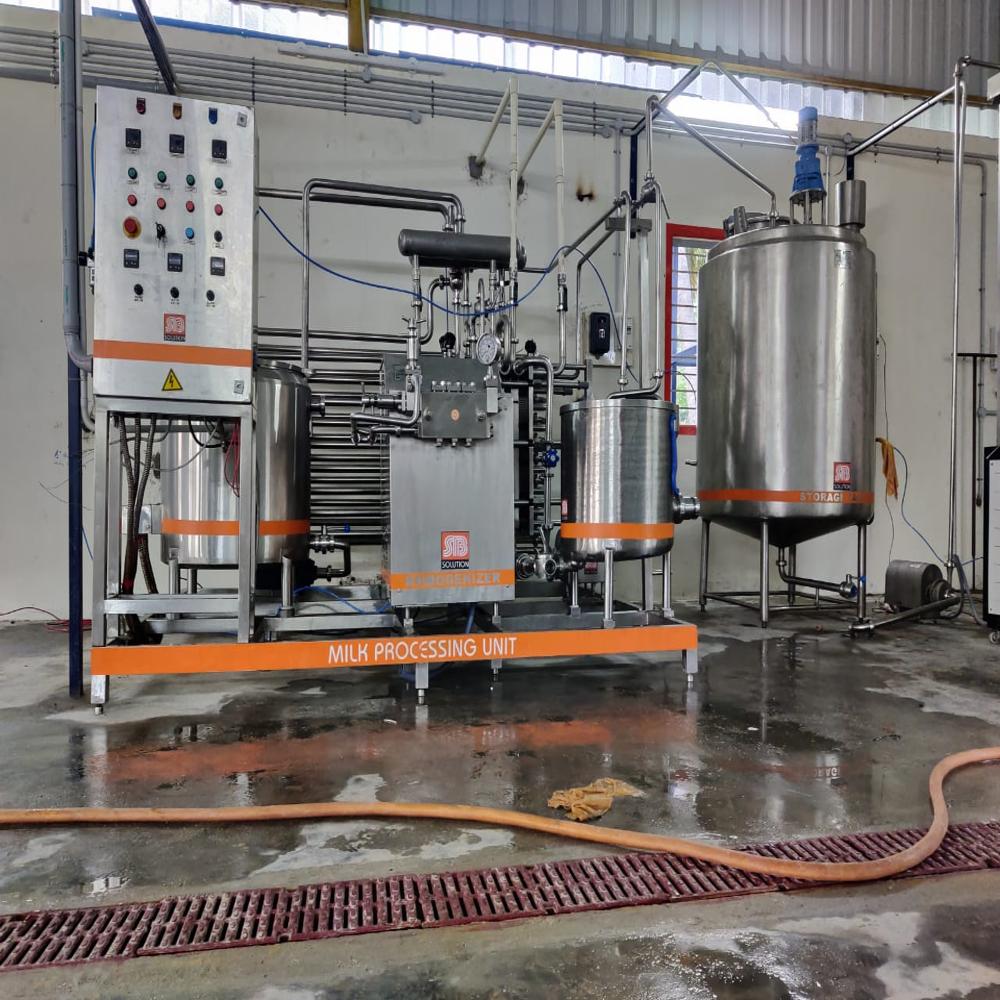
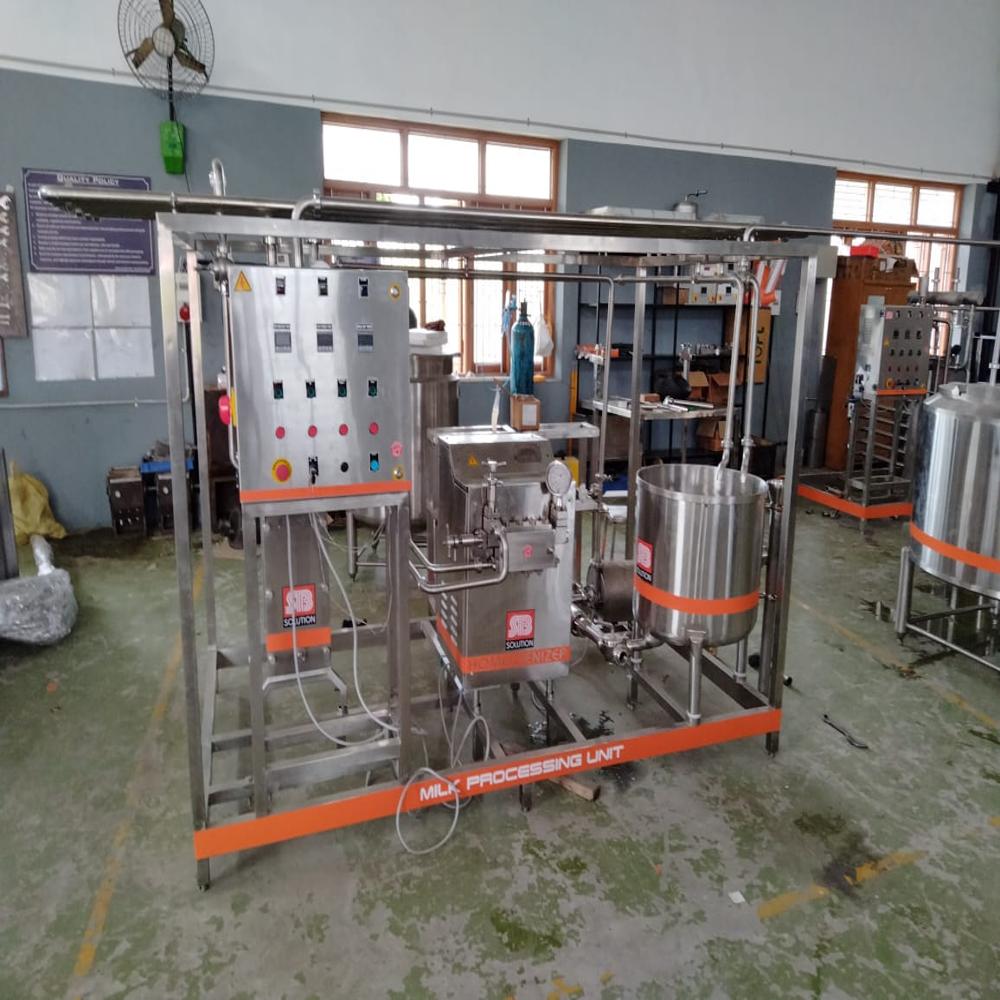
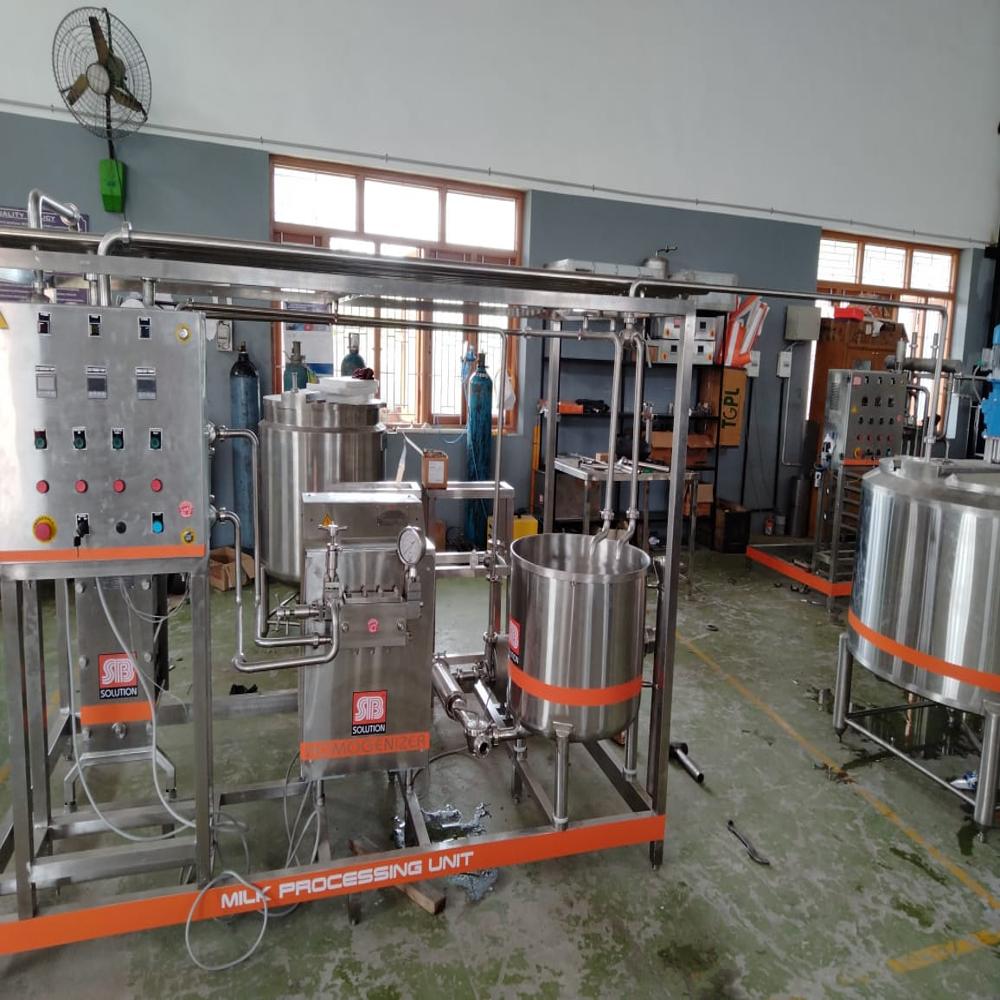
Built with durable stainless steel and designed for rigorous milk processing, this machine delivers consistent results and is suitable for a variety of dairy operations. Its pasteurization feature ensures products are safe and shelf-stable, while the water cooling system maintains optimal operation.
User-Friendly Operation and Maintenance
With semi-automatic controls and computerized monitoring, operators can easily manage production processes. The integrated CIP Cleaning System reduces manual cleaning time, ensuring hygiene and reducing downtime for uninterrupted productivity.
Flexible Capacity for Diverse Needs
Capable of processing from 300 to 5000 liters of milk per hour, this machine caters to both mid-sized dairies and large-scale manufacturers. Its adaptability enables seamless integration into existing production lines, supporting diverse product output.
FAQ's of Milk Production Machine:
Q: How does the milk production machine ensure hygienic processing?
A: The machine features a CIP (Clean-In-Place) Cleaning System, which thoroughly cleans internal surfaces without disassembly. Combined with pasteurization, it ensures the produced dairy products are safe and meet industry hygiene standards.Q: What is the process for transforming raw milk using this machine?
A: Raw milk enters the machine, undergoes pasteurization to remove harmful pathogens, and is homogenized to ensure uniform consistency. The water cooling system then maintains product quality, and computerized controls monitor the process for quality assurance.Q: When should the CIP Cleaning System be operated?
A: The CIP Cleaning System should be run after each production cycle or as recommended by your quality protocols to maintain hygiene and prevent cross-contamination between batches.Q: Where can this milk processing machine be installed?
A: The machine is suitable for installation in dairy processing plants, cooperative societies, and commercial dairy firms. Its dimensions and weight require appropriate floor space and a 415V power supply for safe operation.Q: What are the primary benefits of using a semi-automatic, computerized milk production machine?
A: Benefits include reduced manual intervention, improved product safety, high operational efficiency, and consistent quality. The automated and computerized features enable precise control, reliable output, and easier maintenance.Q: How is the capacity of the milk production machine determined?
A: You can select from models with capacities ranging from 300 to 5000 liters per hour, depending on your production needs. This allows flexibility for both small-scale operations and large manufacturing units.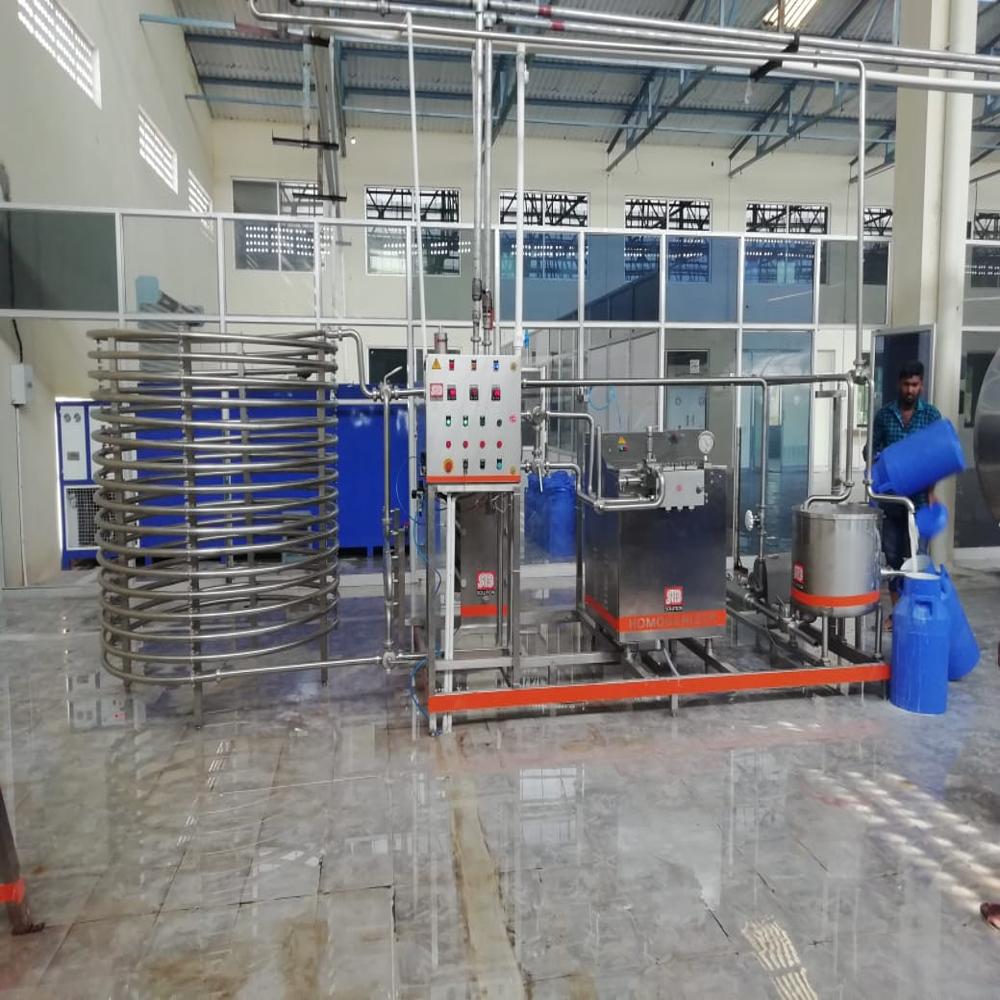
Tell us about your requirement

Price:
Quantity
Select Unit
- 50
- 100
- 200
- 250
- 500
- 1000+
Additional detail
Mobile number
Email

More Products in Milk Processing Plant Category
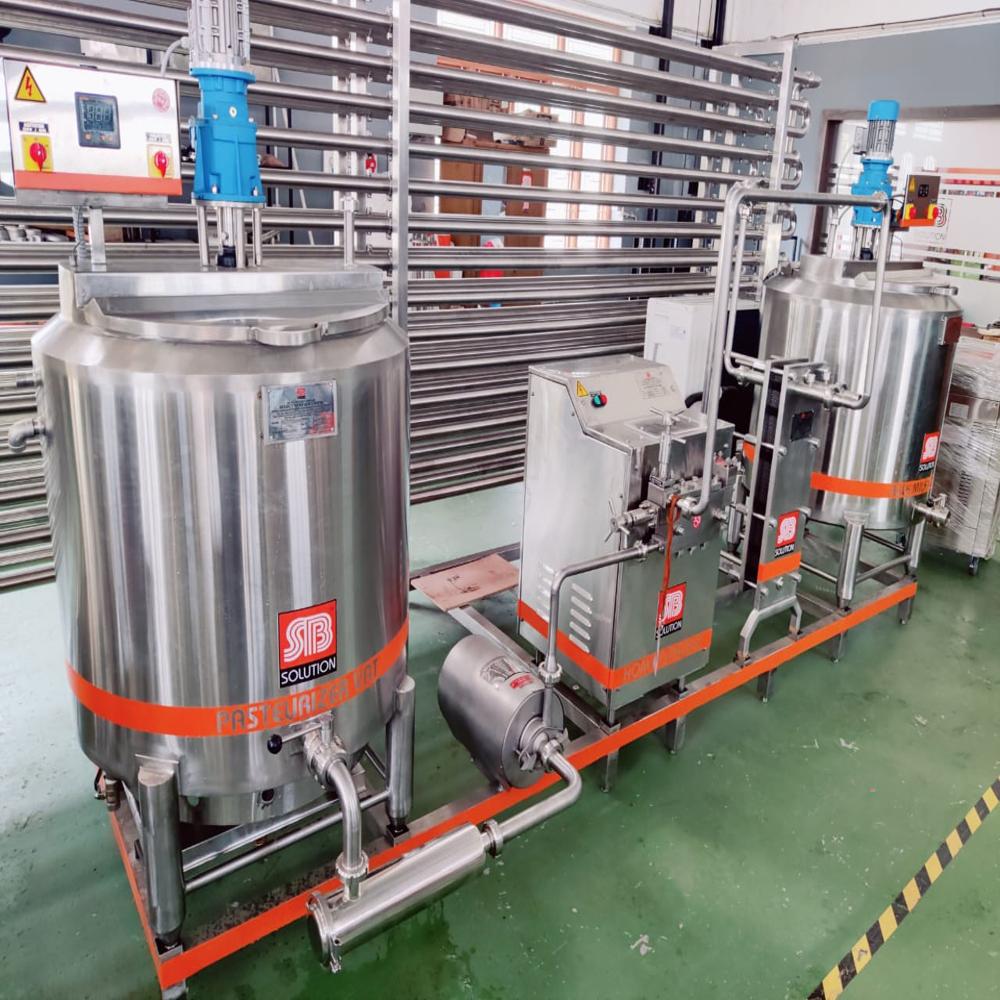
Milk Processing plant setup
Price 1500000.0 INR / Unit
Minimum Order Quantity : 1 Unit
Cooling Mode : Water Cooling
Sterilization Method : Pasteurization
Automatic : Yes
Material : Stainless Steel
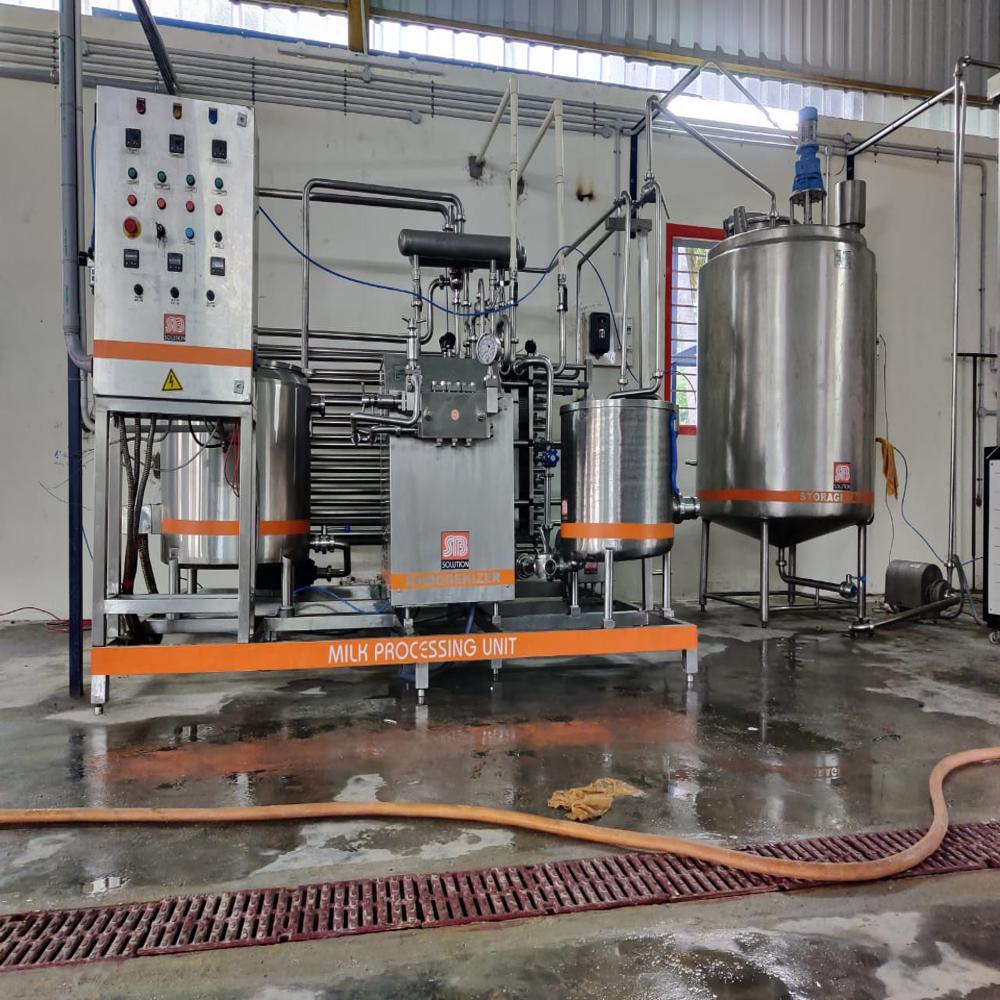
Milk Processing Plants
Price 2700000.0 INR / Unit
Minimum Order Quantity : 1 Unit
Cooling Mode : Water Cooling
Sterilization Method : Pasteurization
Automatic : Yes
Material : Stainless Steel
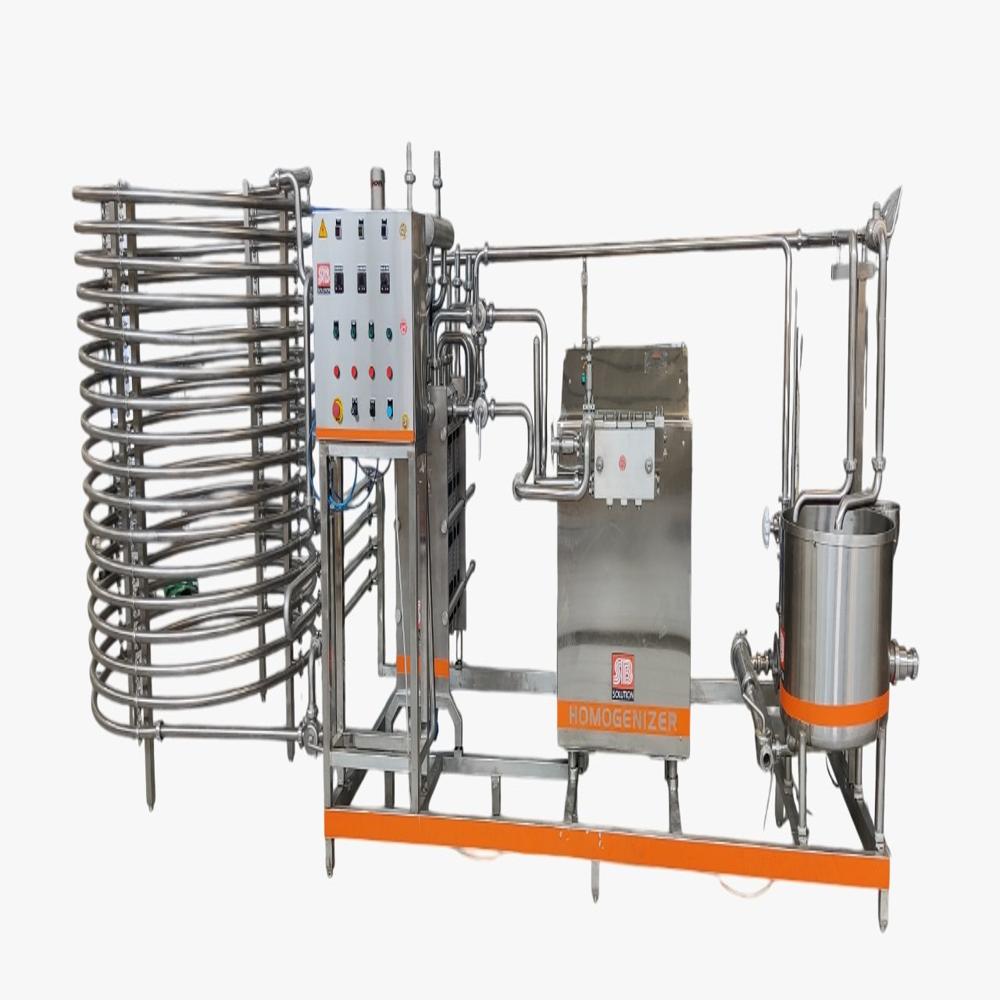
Milk processing unit
Price 2500000.0 INR / Unit
Minimum Order Quantity : 1 Unit
Cooling Mode : Water Cooling
Sterilization Method : Pasteurization
Automatic : Yes
Material : Stainless Steel
Milk Product Making Machine
Price 3000000.0 INR / Unit
Minimum Order Quantity : 1 Unit
Cooling Mode : Water Cooling
Sterilization Method : Pasteurization
Automatic : Yes
Material : Stainless Steel

Contact Details
Select Best Solution
GST : 33ACKFS0814Q1ZS
- No: 352/2A, Peedampalli Road, Kannampalayam,Coimbatore - 641402, Tamil Nadu, India
- Phone :07313726417
 Send Inquiry
Developed and Managed by Infocom Network Private Limited.
