
Call: 07313726417
 Send Inquiry
 Send Inquiry
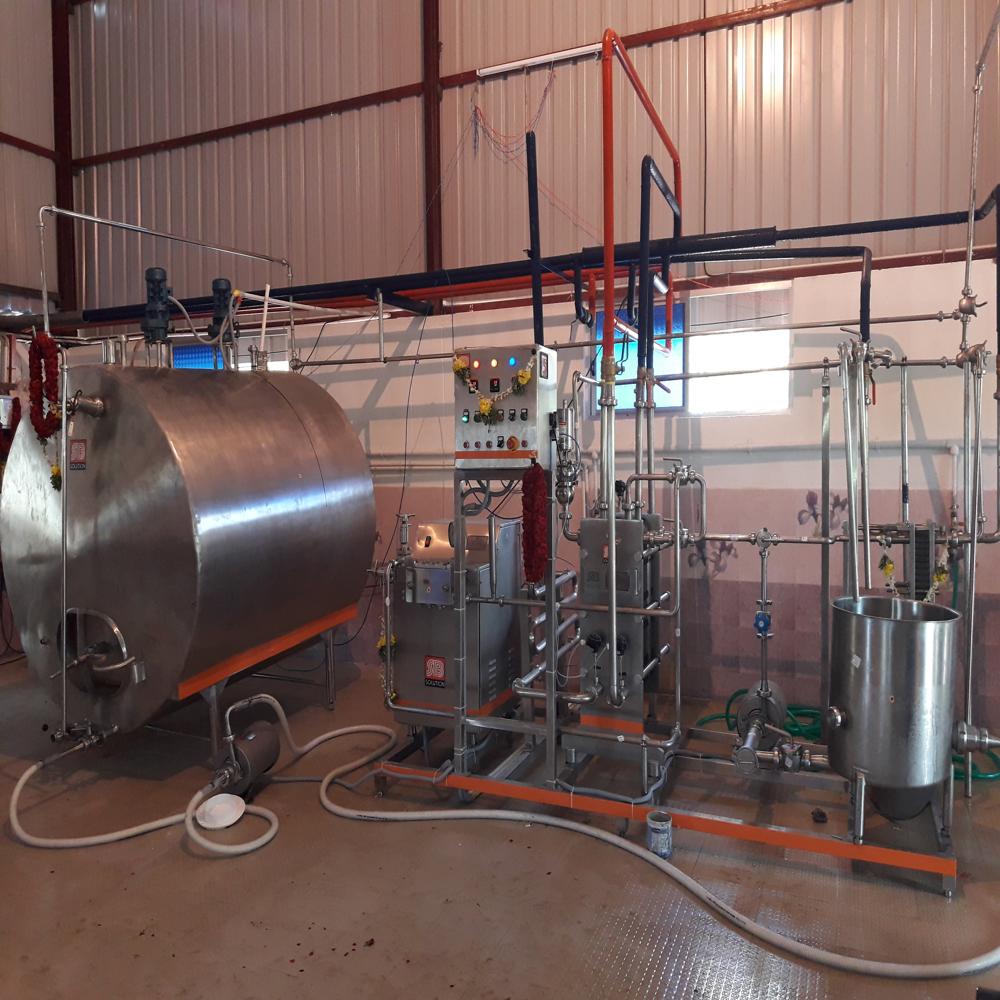
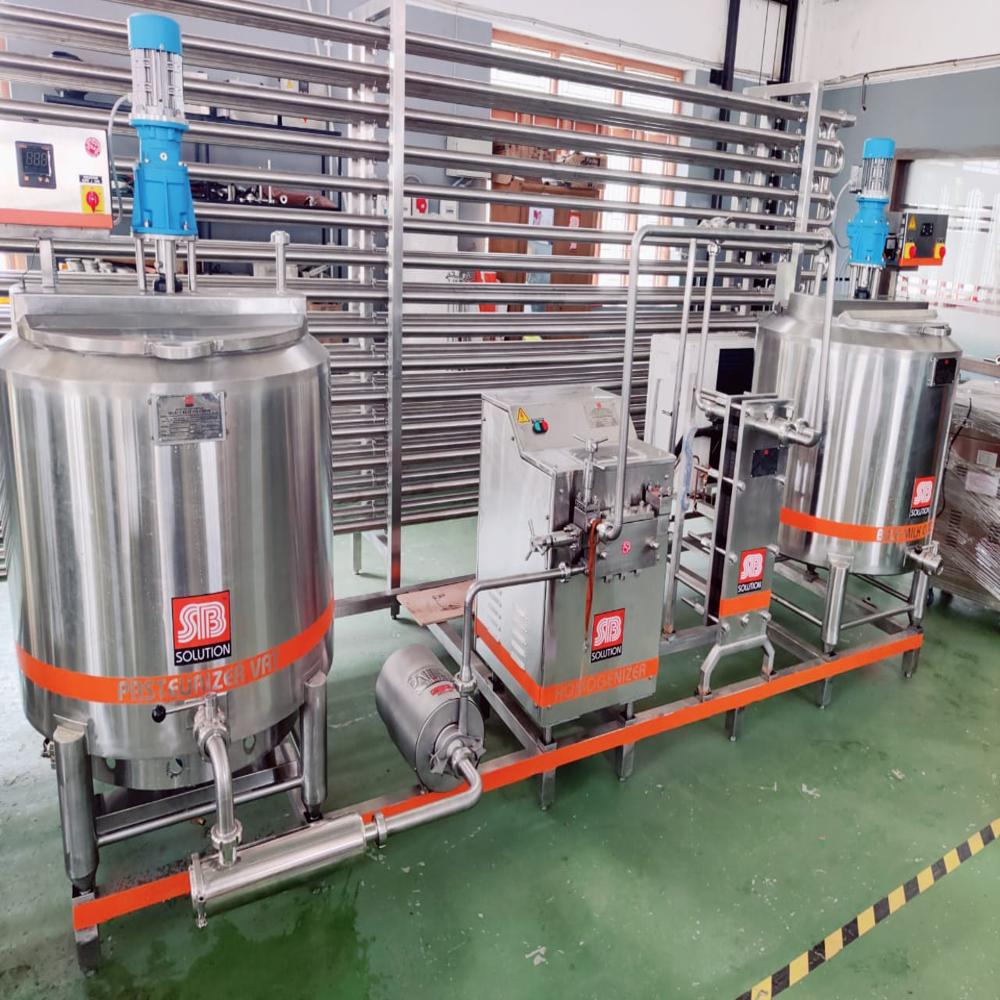
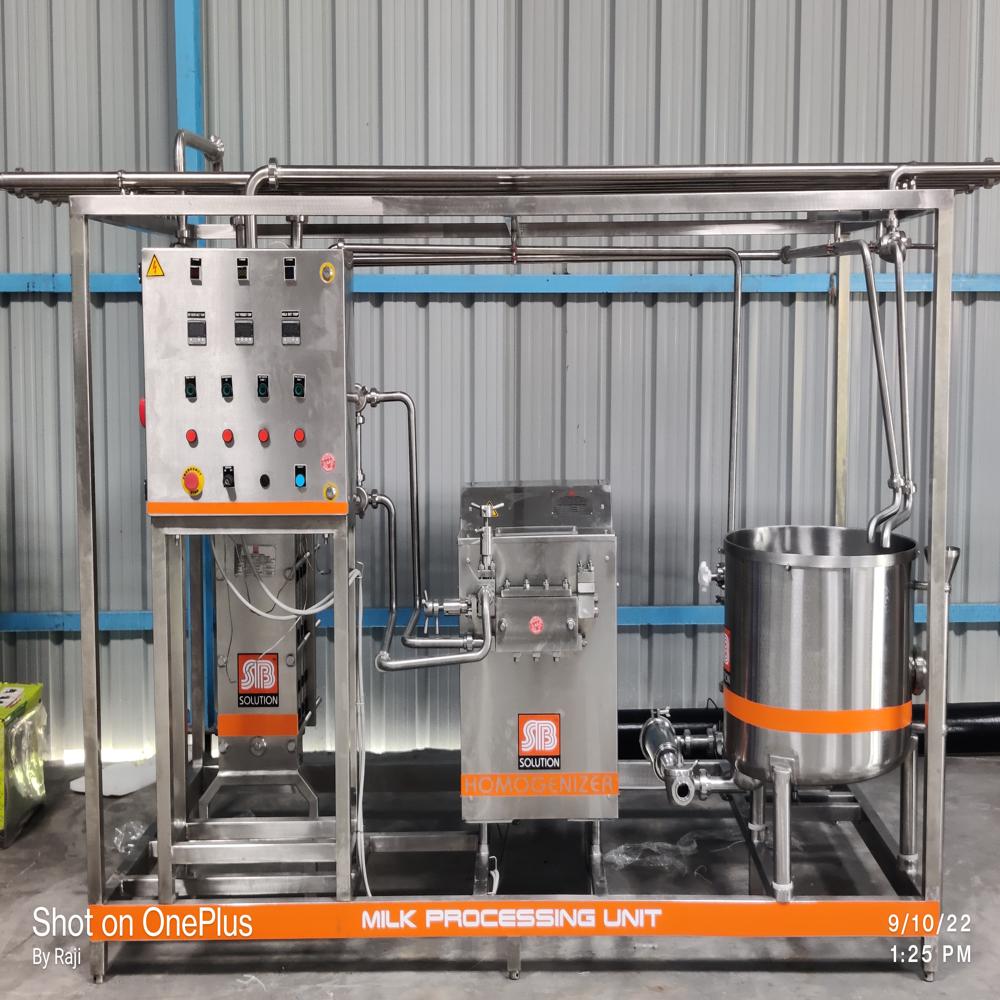
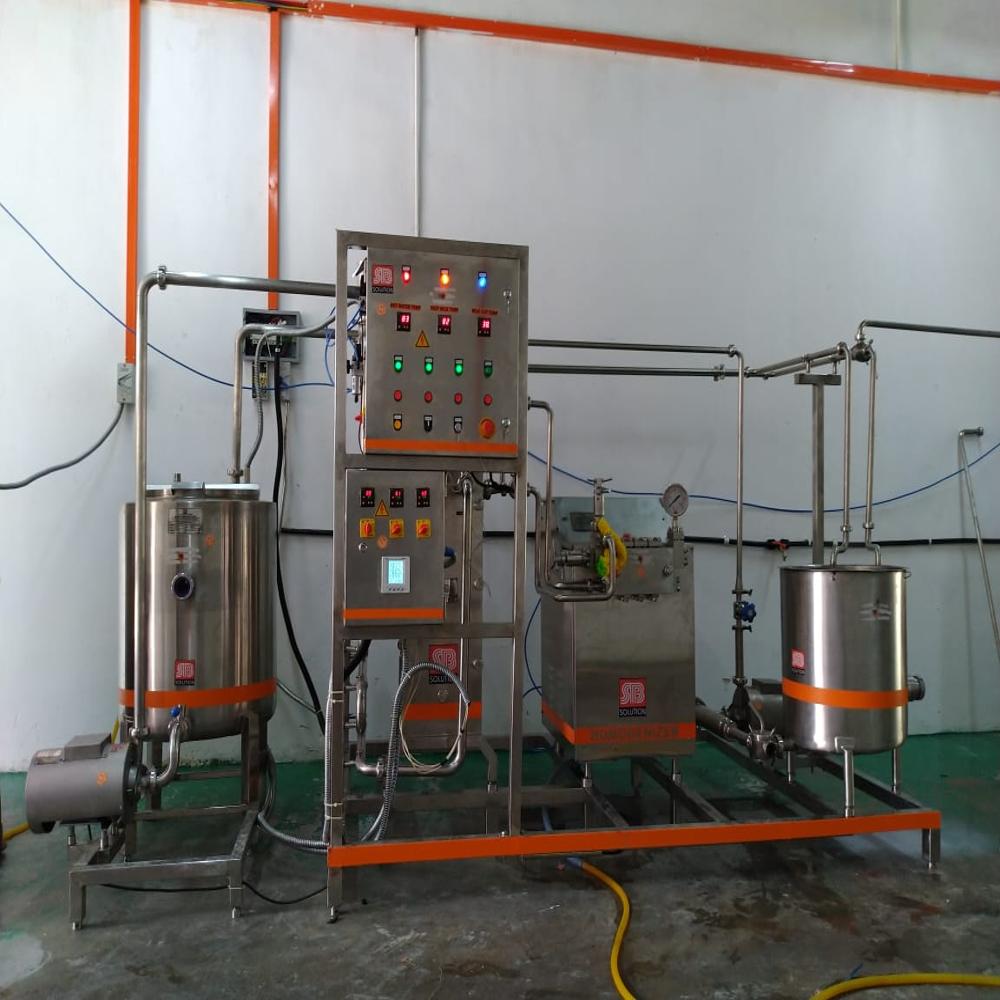
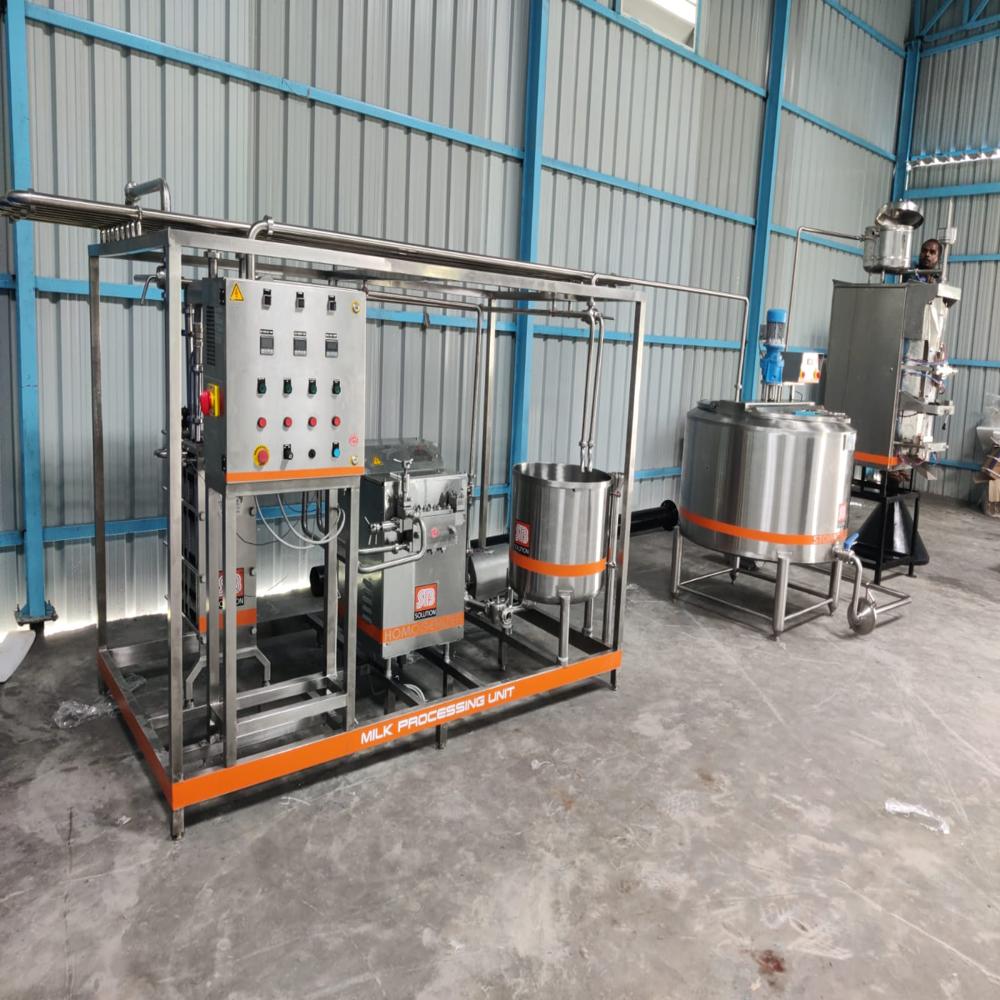
Curd Processing Plant
Price 380000.0 INR/ Unit
MOQ : 1 Unit
Curd Processing Plant Specification
- Product Type
- Curd Processing plant
- General Use
- A curd (dahi) processing plant is an industrial system designed to produce fermented dairy products like curd, yogurt, and lassi. Its general use spans milk reception, pasteurization, homogenization, inoculation with starter cultures, precise temperature-controlled incubation, and automated packaging to ensure consistent texture, flavor, and extended shelf life.
- Material
- Stainless Steel
- Type
- Dairy Milk Plant Machinery, Milk Production Plant, Dairy Production Machine
- Capacity
- 300-5000 Ltr/hr
- Computerized
- Yes
- Automatic
- Yes
- Control System
- PLC Control
- Cleaning System
- CIP Cleaning System
- Cooling Mode
- Air Cooling
- Sterilization Method
- Pasteurization
- Voltage
- 220-240 Volt (v)
- Feature
- Pasteurizer, Homogenizer, Environmental Friendly, Good Quality, Low Energy Consumption, High Efficiency
- Color
- Sliver
Curd Processing Plant Trade Information
- Minimum Order Quantity
- 1 Unit
- Supply Ability
- 5 Units Per Month
- Delivery Time
- 30 Days
- Sample Available
- No
About Curd Processing Plant
A curd processing plant is a facility that transforms raw milk into curd, a fermented dairy product. The process involves several steps, including milk reception, pasteurization, fermentation, and packaging, all designed to ensure the quality and safety of the final product
Here's a more detailed look at the process
1. Milk Reception and Testing: Fresh milk is received and undergoes quality checks to ensure it meets specific standards.
2. Pasteurization: The milk is heated to a high temperature to kill harmful bacteria and pathogens, improving shelf life.
3. Cooling and Inoculation: The pasteurized milk is cooled to the ideal temperature for fermentation, and a starter culture (containing lactic acid bacteria) is added to initiate the process.
4. Fermentation: The milk is kept at a controlled temperature, allowing the bacteria to ferment the lactose into lactic acid, which thickens the milk and gives it its characteristic sour taste.
5. Chilling and Packaging: The fermented milk (curd) is chilled to stop the fermentation process and then packaged into various containers for distribution
2. Pasteurization: The milk is heated to a high temperature to kill harmful bacteria and pathogens, improving shelf life.
3. Cooling and Inoculation: The pasteurized milk is cooled to the ideal temperature for fermentation, and a starter culture (containing lactic acid bacteria) is added to initiate the process.
4. Fermentation: The milk is kept at a controlled temperature, allowing the bacteria to ferment the lactose into lactic acid, which thickens the milk and gives it its characteristic sour taste.
5. Chilling and Packaging: The fermented milk (curd) is chilled to stop the fermentation process and then packaged into various containers for distribution
State-of-the-Art Automated Solutions
Equipped with advanced PLC controls and a computerized monitoring system, this curd processing plant ensures seamless, accurate, and highly efficient dairy production. The integration of automatic pasteurizer, homogenizer, and packaging modules delivers consistent results while reducing manual intervention and operational errors.
Superior Hygiene and Quality Control
Incorporating a robust CIP cleaning mechanism with stainless steel construction, the plant maintains rigorous hygiene standards. Controlled pasteurization and homogenization processes guarantee that each batch of curd meets the highest quality benchmarks for texture, flavor, and safety.
High Capacity with Optimal Energy Consumption
Engineered to process between 300 and 5000 liters per hour, the plant combines high efficiency and low energy consumption. Its air cooling and intelligent control systems not only boost productivity but also significantly lower running costs and carbon footprint.
FAQ's of Curd Processing Plant:
Q: How does the CIP cleaning system benefit the curd processing plant?
A: The CIP (Clean-in-Place) cleaning system allows for efficient, thorough, and automated cleaning of all internal surfaces without disassembly. This ensures hygiene is consistently maintained, reducing downtime and minimizing manual labor requirements.Q: What types of dairy products can be processed in this plant?
A: This plant is designed for the industrial production of fermented dairy products such as curd (dahi), yogurt, and lassi, by handling every step from milk reception to automated packaging.Q: When should a dairy producer choose a fully automated curd processing system?
A: A fully automated curd processing plant is most suitable when aiming to scale production capacity, enhance product consistency, and improve hygiene standards while reducing labor costs and human error during manufacturing.Q: Where is this plant most commonly used?
A: This curd processing plant is widely utilized by dairy product manufacturers, exporters, and suppliers in India and can be adopted by any medium to large-scale dairy operations seeking reliable, high-capacity production.Q: What is the sterilization method applied in this plant?
A: The plant uses pasteurization for sterilization, which effectively destroys pathogenic microorganisms in milk, ensuring the safety and extended shelf life of the final products.Q: How does the PLC control system enhance production efficiency?
A: The PLC (Programmable Logic Controller) system automates various stages of production, monitors key process parameters, and facilitates quick adjustments to maintain optimal conditions, resulting in higher throughput and reduced operational errors.Q: What are the key benefits of using this curd processing plant?
A: Key benefits include consistent product quality, high efficiency, low energy consumption, comprehensive automation, stringent hygiene through CIP, and an environmentally friendly design, all of which contribute to streamlined dairy production and reduced operational costs.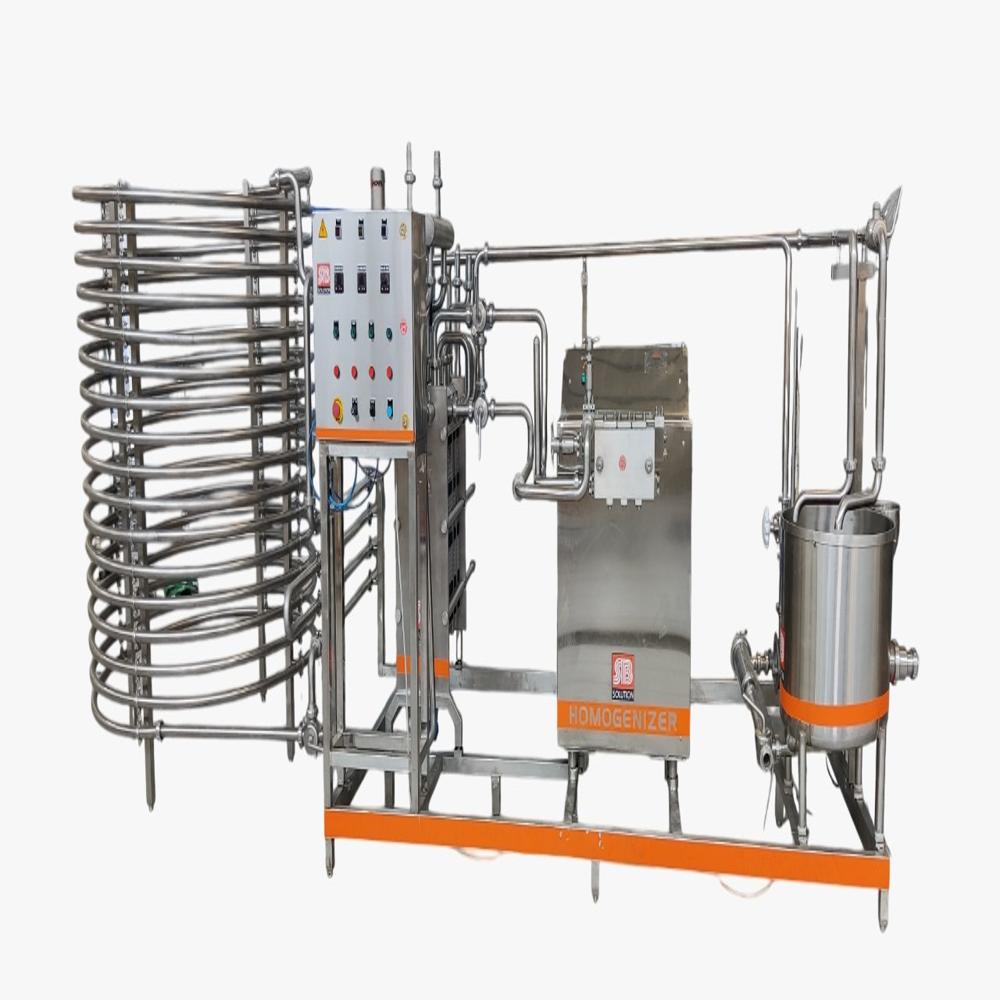
Tell us about your requirement

Price:
Quantity
Select Unit
- 50
- 100
- 200
- 250
- 500
- 1000+
Additional detail
Mobile number
Email


Contact Details
Select Best Solution
GST : 33ACKFS0814Q1ZS
- No: 352/2A, Peedampalli Road, Kannampalayam,Coimbatore - 641402, Tamil Nadu, India
- Phone :07313726417
 Send Inquiry
Developed and Managed by Infocom Network Private Limited.
