
Call: 07313726417
 Send Inquiry
 Send Inquiry
Diary setup plant
Price 3500000.0 INR/ Unit
MOQ : 1 Unit
Diary setup plant Specification
- Product Type
- 1
- General Use
- fluid milk, curd/dahi, paneer, or ghee
- Material
- Stainless Steel
- Type
- Dairy Milk Plant Machinery, Dairy Production Machine, Milk Production Plant
- Computerized
- Yes
- Automatic
- Yes
- Control System
- Semi Automatic
- Processing Pressure
- 200-250 Bar
- Cleaning System
- CIP Cleaning System
- Cooling Mode
- Water Cooling
- Sterilization Method
- Pasteurization
- Motor Power
- 10-20 Horsepower (HP)
- Voltage
- 440 Volt (v)
- Dimension (L*W*H)
- 3X2X2 Meter (m)
- Color
- sliver
Diary setup plant Trade Information
- Minimum Order Quantity
- 1 Unit
- Delivery Time
- 1
About Diary setup plant
For receiving and measuring raw milk from dairy farmers.Removes visible physical impurities before processing.
A 1000-liter or higher tank used to instantly chill incoming raw milk down to 4C to stop bacterial growth
A high-speed centrifuge integrated into the line to separate excess fat from whole milk.
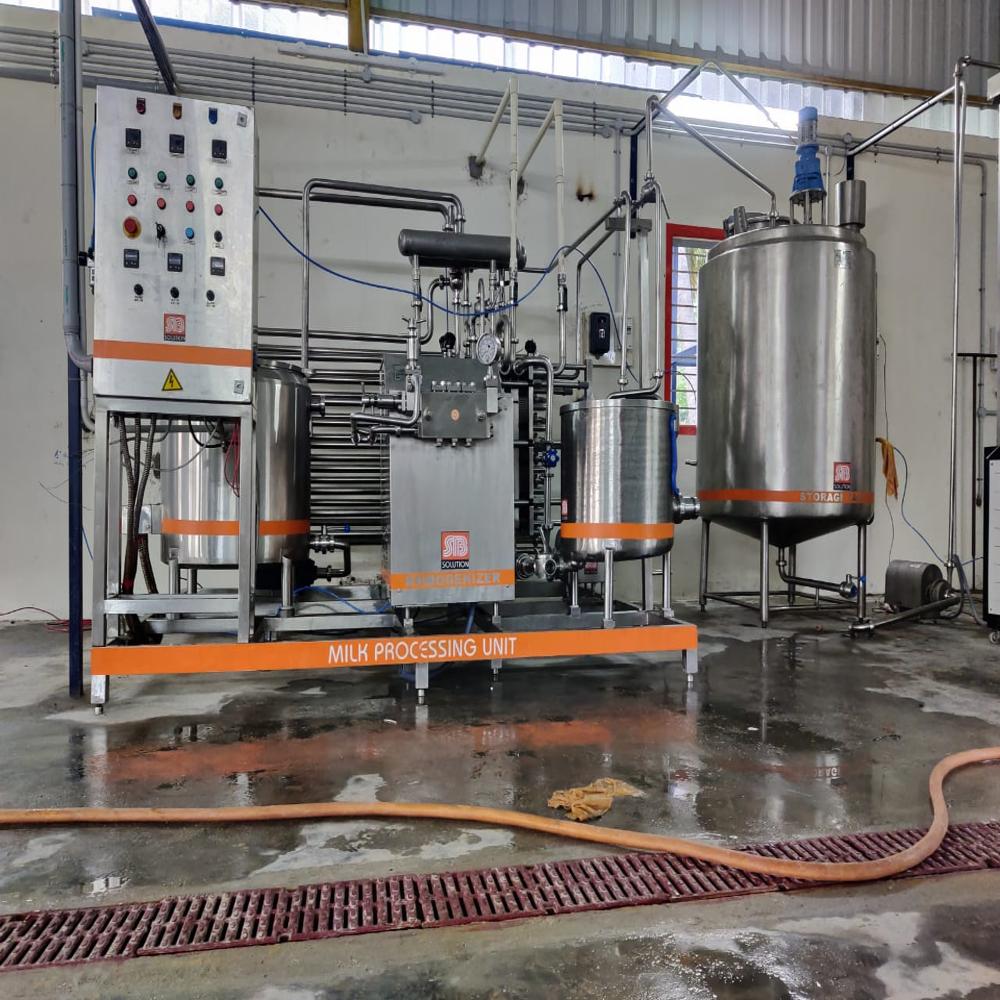
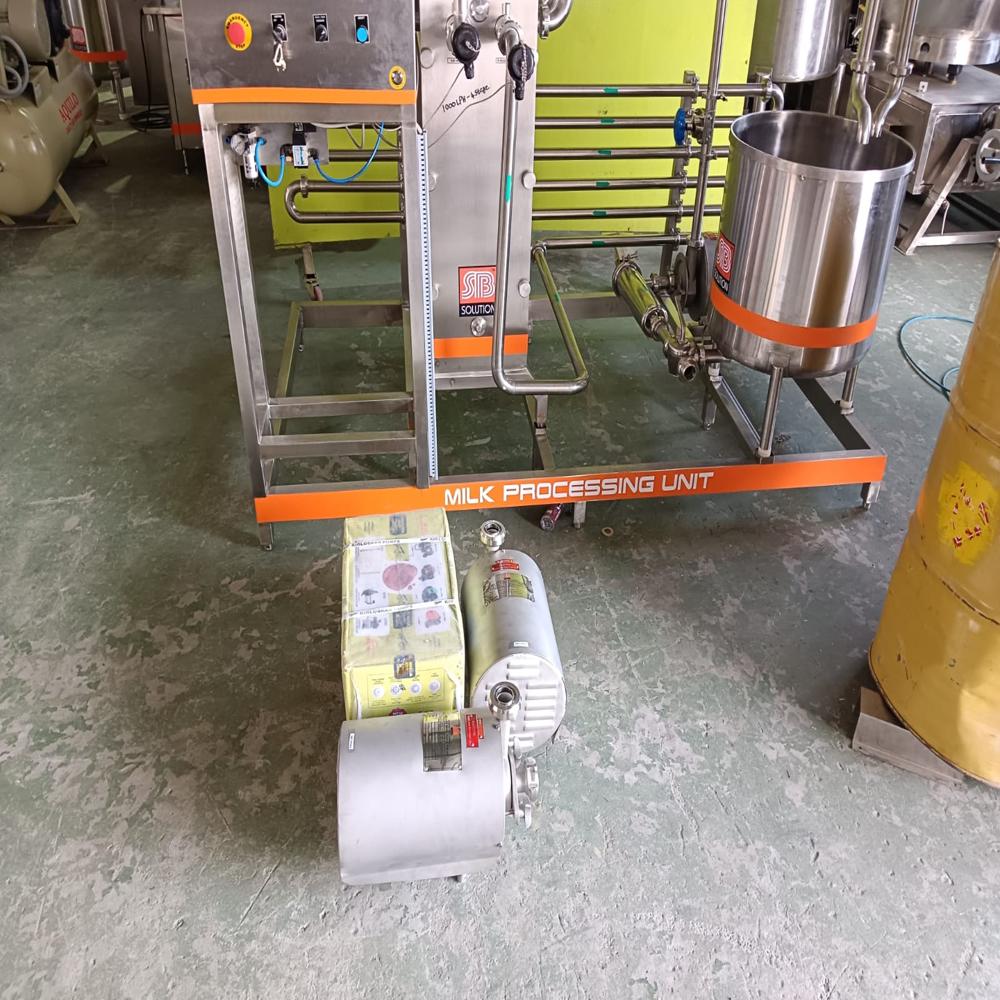
he heart of the system. An online Plate Heat Exchanger (PHE) uses hot water to flash-heat milk to 72-75C (HTST) and immediately chill it back to 4C, destroying harmful pathogens without altering the taste.
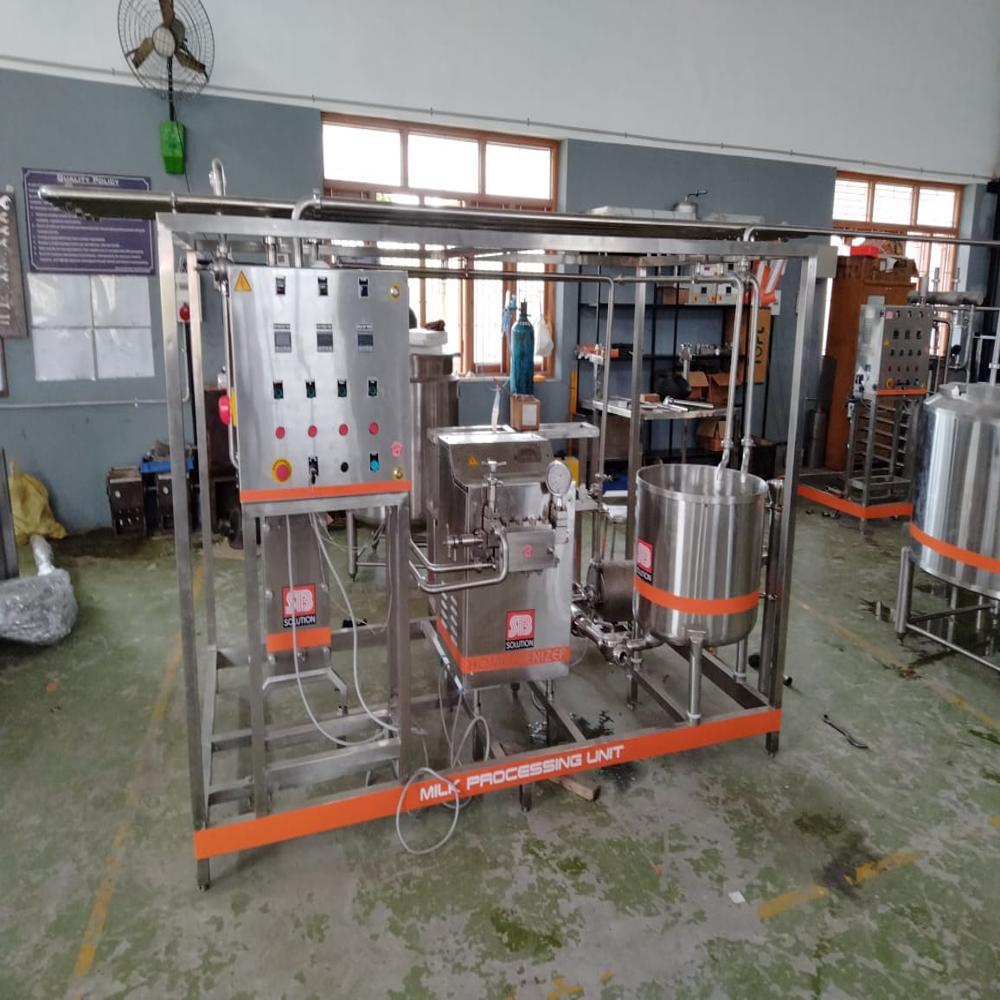
Breaks down fat globules so cream does not separate and float to the top.
Automatic or semi-automatic online pouch-packing machines to bag the pasteurized milk for distribution
Efficient Dairy Production Solutions
This advanced dairy setup plant is explicitly designed to streamline the production of various dairy products, including milk, curd, paneer, and ghee. With state-of-the-art CIP cleaning and pasteurization, hygienic operations are ensured throughout the process. The plant's compact 3x2x2 meter build allows for efficient space utilization without compromising on output quality or capacity.
Robust Construction and Smart Controls
Crafted using stainless steel, the plant offers high durability and corrosion resistance, critical for the demanding dairy environment. The incorporation of semi-automatic and computerized systems allows for hassle-free monitoring and easy management of production processes. Its 10-20 HP motor power and 440V voltage ensure consistent operation and high productivity.
FAQ's of Diary setup plant:
Q: How does the dairy setup plant ensure product quality and hygiene?
A: The plant utilizes a CIP (Clean-In-Place) cleaning system and pasteurization for effective sterilization, reducing contamination risks. Its stainless steel build further enhances hygiene standards needed for dairy processing.Q: What dairy products can be processed with this plant?
A: It is designed for the production of fluid milk, curd (dahi), paneer, and ghee, making it a versatile choice for several dairy processing requirements.Q: Where can this dairy plant be installed and operated?
A: This plant is suitable for dairy farms, processing units, and manufacturing facilities. Its dimensions (3x2x2 meters) make it practical for businesses with moderate space requirements, primarily within the Indian market.Q: What is the process flow of dairy production in this setup?
A: Milk is received and processed under 200-250 Bar pressure before undergoing pasteurization. The integrated CIP system manages cleaning, while automated and semi-automatic controls streamline the steps for curd, paneer, and ghee production.Q: When is maintenance required for this dairy plant?
A: Routine maintenance schedules should follow manufacturer guidelines, focusing on the cleaning system, motor performance, and inspection of control units to ensure uninterrupted operation.Q: What is the benefit of a semi-automatic and computerized control system?
A: These systems allow for both manual oversight and automated tasks, optimizing production efficiency while reducing the likelihood of operational errors.Q: How does the water cooling system contribute to the equipment's performance?
A: The water cooling system stabilizes processing temperatures, ensuring consistent product quality and safeguarding machinery against overheating during extended operations.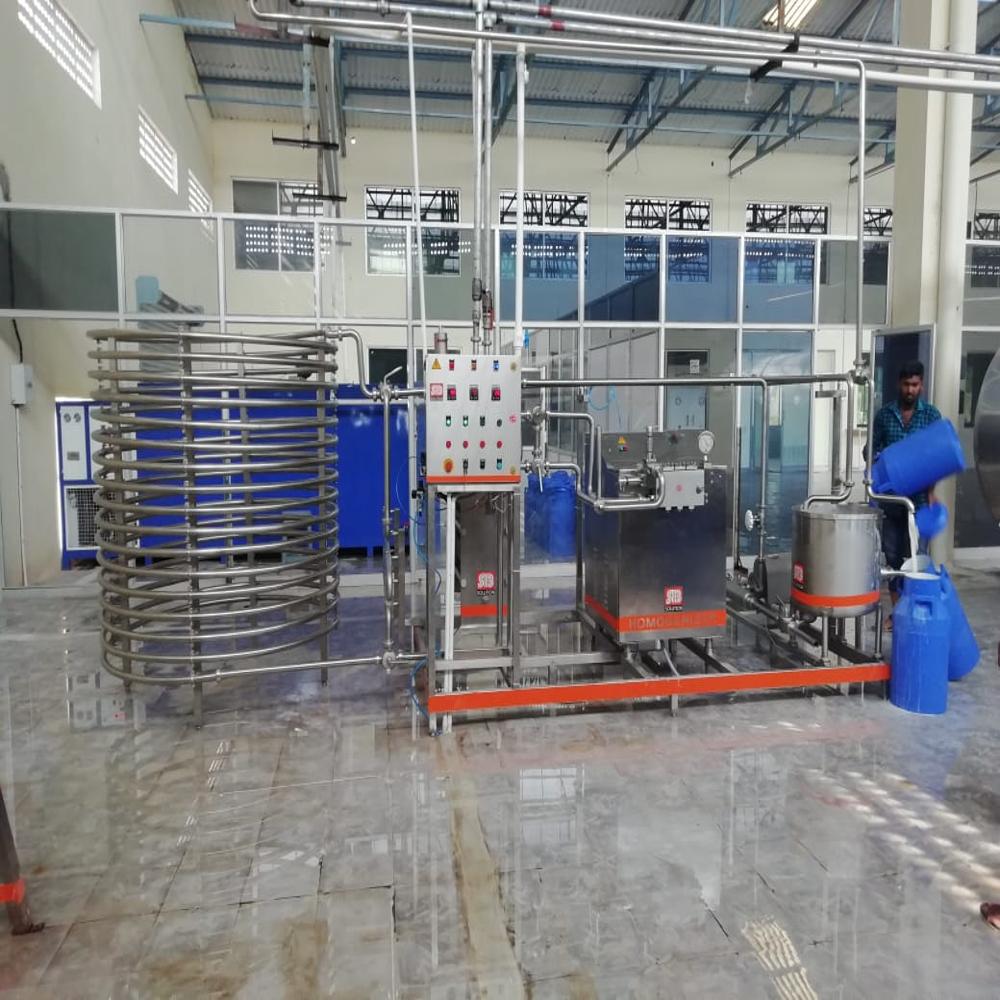
Tell us about your requirement

Price:
Quantity
Select Unit
- 50
- 100
- 200
- 250
- 500
- 1000+
Additional detail
Mobile number
Email

More Products in Dairy Processing Plant Category
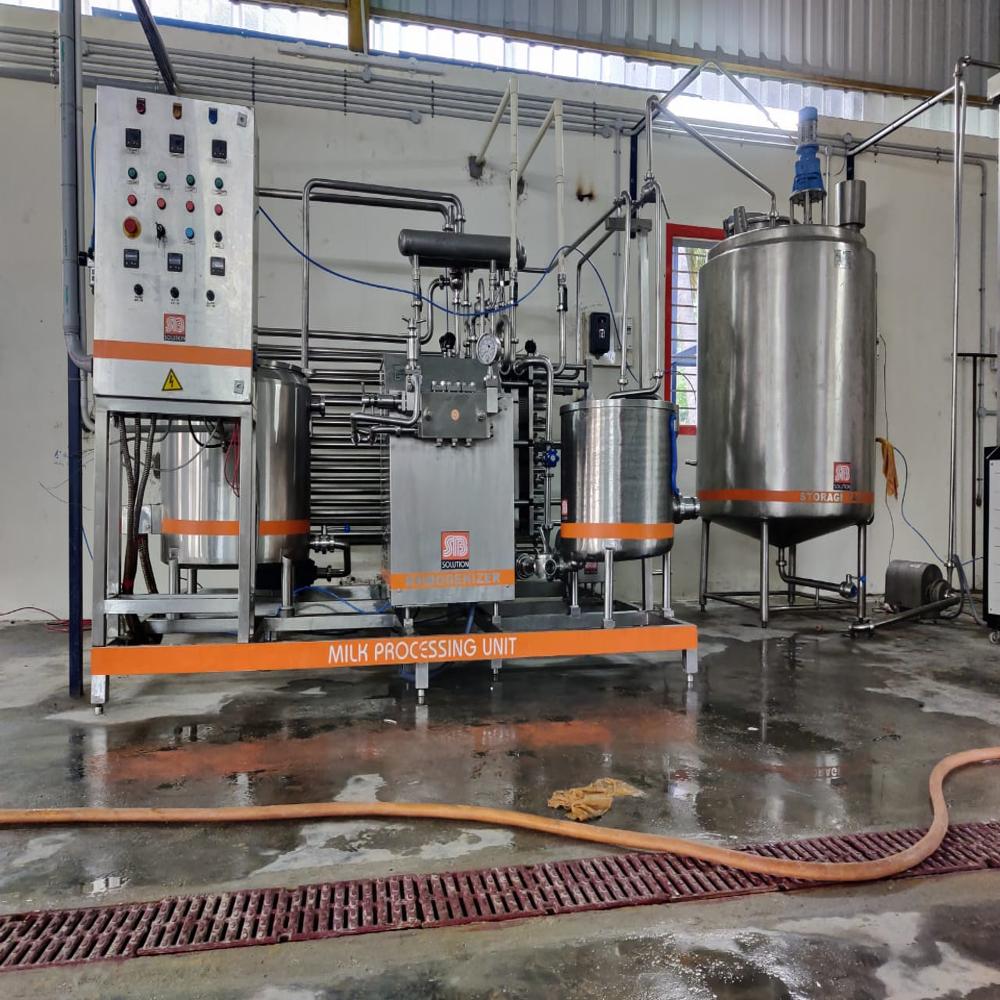
Mini Dairy Processing Plant
Price 2500000.00 INR / Unit
Minimum Order Quantity : 1 Unit
Feature : Other, Environmental Friendly, High Efficiency, Good Quality, Pasteurizer, Homogenizer
Computerized : Yes
Capacity : 3005000 Ltr
Sterilization Method : Pasteurization
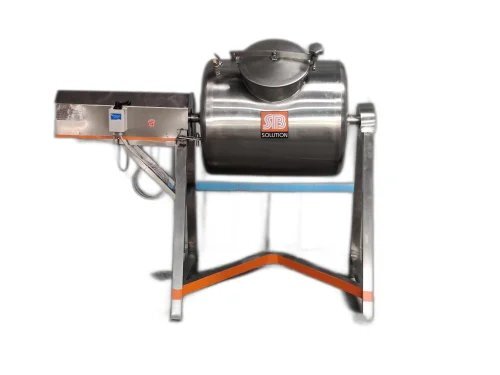
Butter Churner Machine
Price 130000.00 INR / Piece
Minimum Order Quantity : 1 Piece
Feature : Good Quality, Low Energy Consumption, Other, High Efficiency, Environmental Friendly
Computerized : No
Capacity : 1001000 Ltr
Sterilization Method : Other

Contact Details
Select Best Solution
GST : 33ACKFS0814Q1ZS
- No: 352/2A, Peedampalli Road, Kannampalayam,Coimbatore - 641402, Tamil Nadu, India
- Phone :07313726417
 Send Inquiry
Developed and Managed by Infocom Network Private Limited.
